Neti pot — A how to

With fall allergies in full swing, along with the start of flu and cold season, allow me to introduce nasal irrigation and my neti pot.
With the exception of a 4-year respite in South Bend, IN, I’ve suffered from general “hay fever” type allergies most of my life.   For me, this generally manifests as congestion leading to sinus headaches.  In high school, I was a Flonase junky (back before there was a generic option).

When I started having problems again after college, I wanted to try something different.

Nasal irrigation cleans out the nasal passages, removing allergens, bacteria, and other irritants.

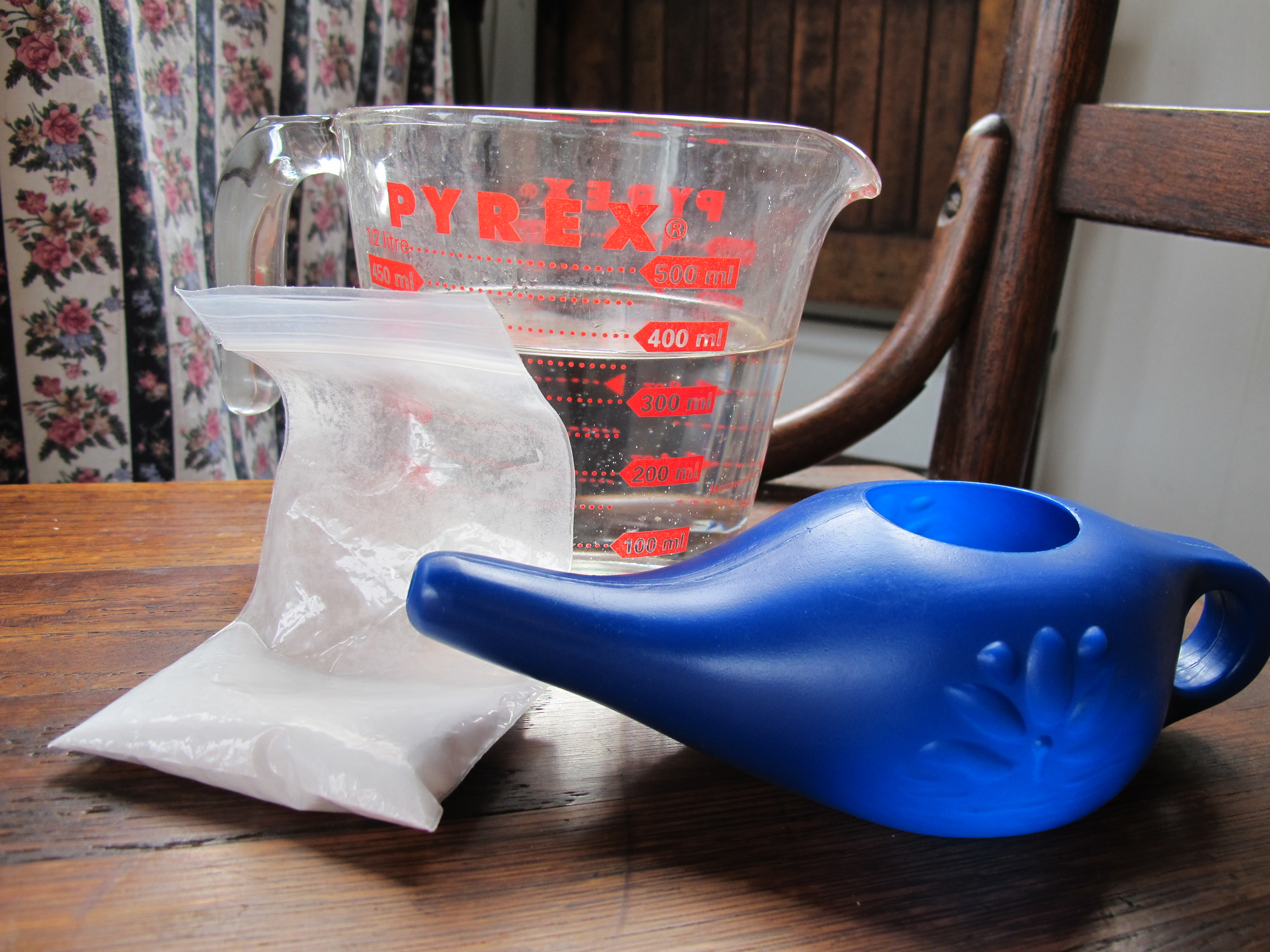
What you need:

  • a neti pot
  • pickling salt
  • baking soda
  • dechlorinated water

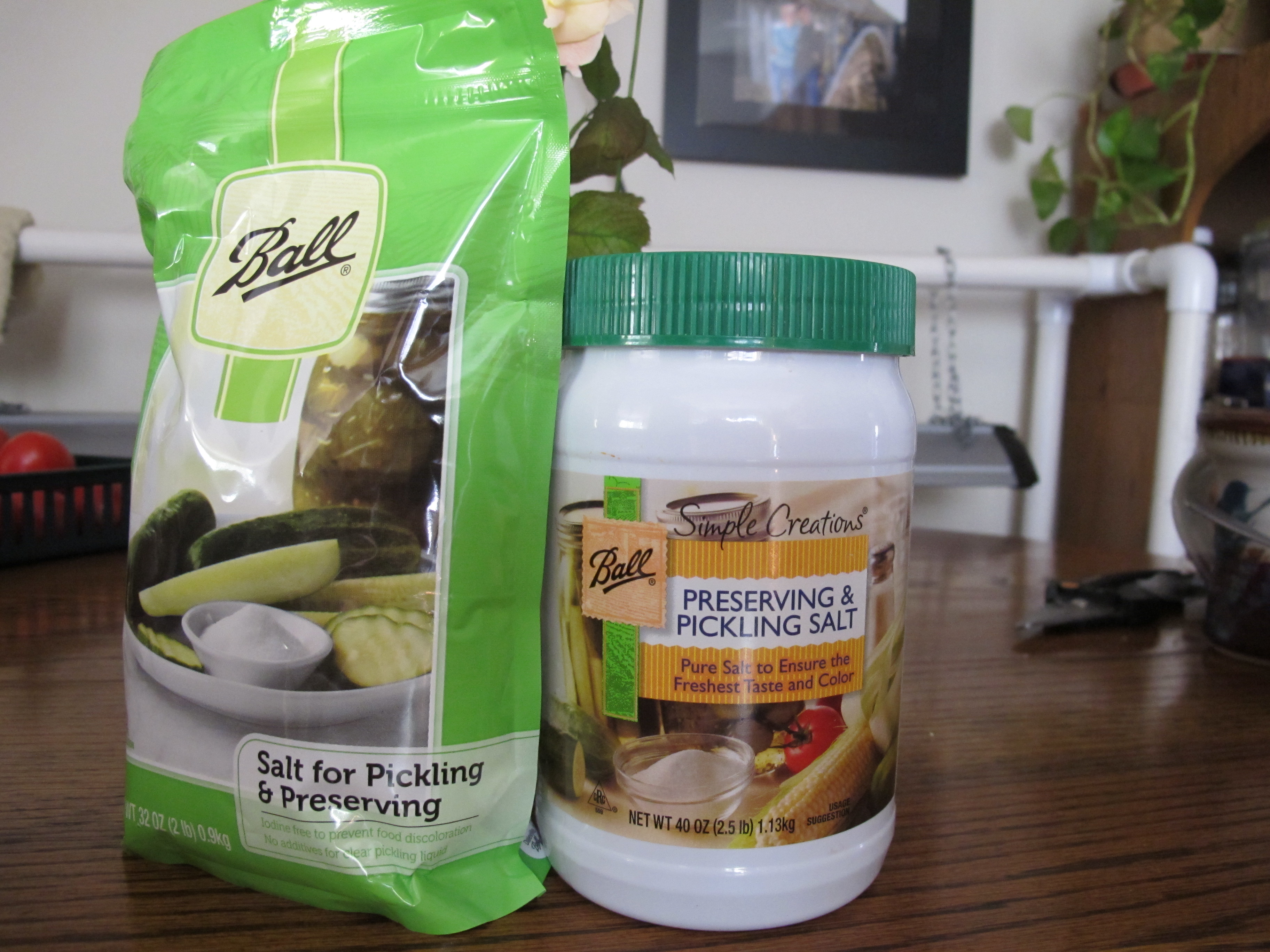
You can find neti pots at most drug stores and many health food stores.  These places also sell a packaged salt mix, but you don’t need this!  It’s a waste of money and packaging.  You could use table salt, but I highly recommend the pickling salt, which is pure salt, no iodine and no additives, like anti-caking agents, to irritate your delicate little nasal membranes.

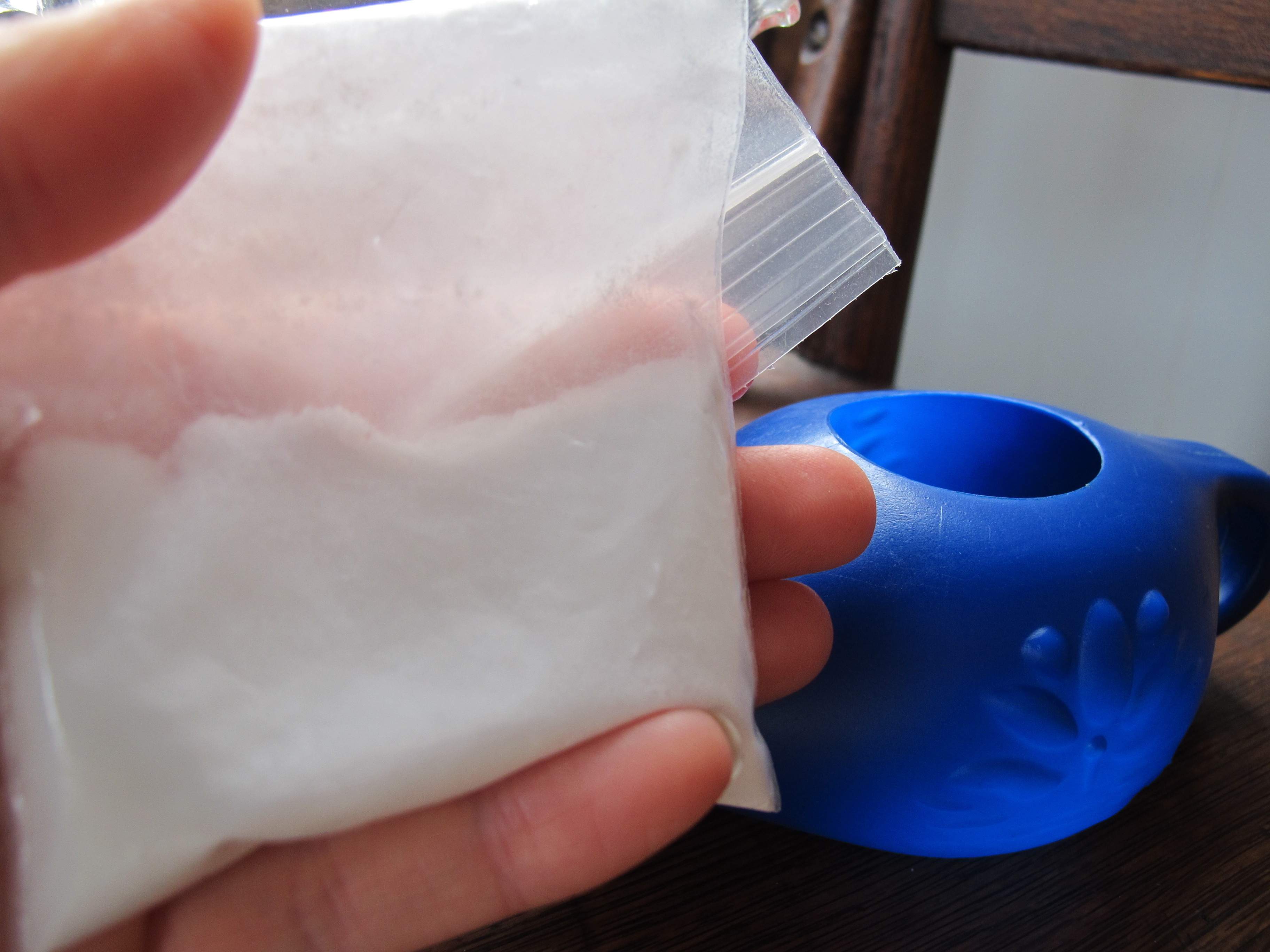
My mix: 1 1/3 c. dechlorinated water (just let let regular tap water sit in an open measuring cup for 24 hours to dechlorinate), generous 1/2 teaspoon pickling salt, 1/8 teaspoon baking powder.  I pour 2/3 c. of the mixture into the neti pot for one nostril, then use the rest for the other.

Here’s a slideshow to walk you through the process.

Does it hurt?  Usually, no.  It’s only painful when I’m REALLY congested, or sometimes when I skip a day.  Lesson here?  For this to work well, you should neti every day.  Once you make it part of your routine, it will only take a few minutes.  I neti in the evening, usually an hour or two before bed.

Using the neti pot every day means traveling with proper supplies.  Come back tomorrow for that tale.


Twas a great weekend . . .

. . . to go by bike! And by weekend, I mean four days — in addition to my usual three-day weekend, I took an extra day to eat up some comp time.

On Thursday afternoon, after a morning making tomatillo salsa and granola, I biked to the library and then on to City Greens Farmers’ Market. On my way to the market, I was wishing for a juicy, refreshing snack — fortunately, they had grapes again — big time yum! In addition to the grapes, I filled my bike crate with eggplant (soon to be baba ganoush), sweet potatoes, and green peppers.

I started Friday with a bike trip to the dentist. I survived the little girl puking in the waiting room, only for the dental hygienist to say she thought I had a little cavity.Continue reading “Twas a great weekend . . .”

Grilled

I threw this together as a fast, easy weeknight dinner last week.  We have a semi-functional charcoal grill, but firing that up just to grill a few veggies hardly seems worth the effort (not to mention the air pollution).

When we first received a hand-me-down George Foreman [countertop] grill from my MIL, I was skeptical.  Would this be just another appliance taking up space on our counter?  The answer, for us, is no.  We use the grill pretty regularly — not quite that “real grill” flavor, but pretty good with a lot less fuss and effort.

For this meal, I tossed eggplant slices, whole okra (sliced lengthwise from tip, stopping just before the stem so it stays together), and onion slices in some olive oil and salt, then set them on the grill.  The only drawback with our rather small grill is that this does require multiple batches, but everything cooks pretty quickly, so it doesn’t take too long.

To round things out, I tossed brown rice (cooked for an earlier meal) with some frozen peas, garlic-infused olive oil, and roasted sunflower seeds.  We enjoyed the grilled okra dipped in our homemade catsup, spiced up with a little chili sauce.

Beyond the countertop grill:

Gas grills generally come out ahead environmentally in the “gas vs. charcoal” debate, but both types use resources and create air pollution.  If you already have a charcoal grill and aren’t ready to plunk down the cash for a gas version (like us) here are some tips:

  • Avoid lighter fluid, which has a whole slew of nasty chemicals in it.
  • Instead, invest in a charcoal ladder, which enables you to start a nice, hot fire, with nothing more than charcoal.
  • Look for charcoal that is additive-free and/or Forest Stewardship Council certified.
  • When you’re down cooking, pour water over the charcoal to cool it down so you can use the remaining pieces next time.

What are your tips for tasty, greener grilling?

Bike curious?

I have a good friend who’s moving to Washington, D.C. and trading her car in for a bike (yay!).  She came to me for some advice.  Here’s my best attempt to be concise on the subject:

Buying a bike:

Until you know more about bikes, there will definitely be some peace of mind in buying new over used (though buying used from a bike shop would be a different story).  Visit a local bike shop (or multiple local bike shops).  Tell them where/how you plan to ride the bike, and see what they suggest.  Dress so that you can actually test ride the bikes.  If they try to put you on a fixed-gear bike (AKA “fixie” or single speed), don’t buy it, unless you plan to only bike in an area with ZERO hills.

As far as the cost, you may have considered this, but you’ll be saving a ton of money by not having a car.  There are a variety of calculators, and different factors based on location, car model, etc., but owning a car can end up costing around $6000 a year once you add in insurance, registration, maintenance, car payments, parking fees, and gas.  And that’s every year, not a one time fee.  I understand your hesitation, and definitely went through it myself, but $400 is a small fraction of what we pay (often unquestioningly) for our cars.Continue reading “Bike curious?”

Not okay AAA

Click here to sign the petition letting AAA know that cutting the already small amount of funding for transportation alternatives is not okay!  You can make a difference in less than 60 seconds.Continue reading “Not okay AAA”