Applesaucin’

One week ago, I was doing this:
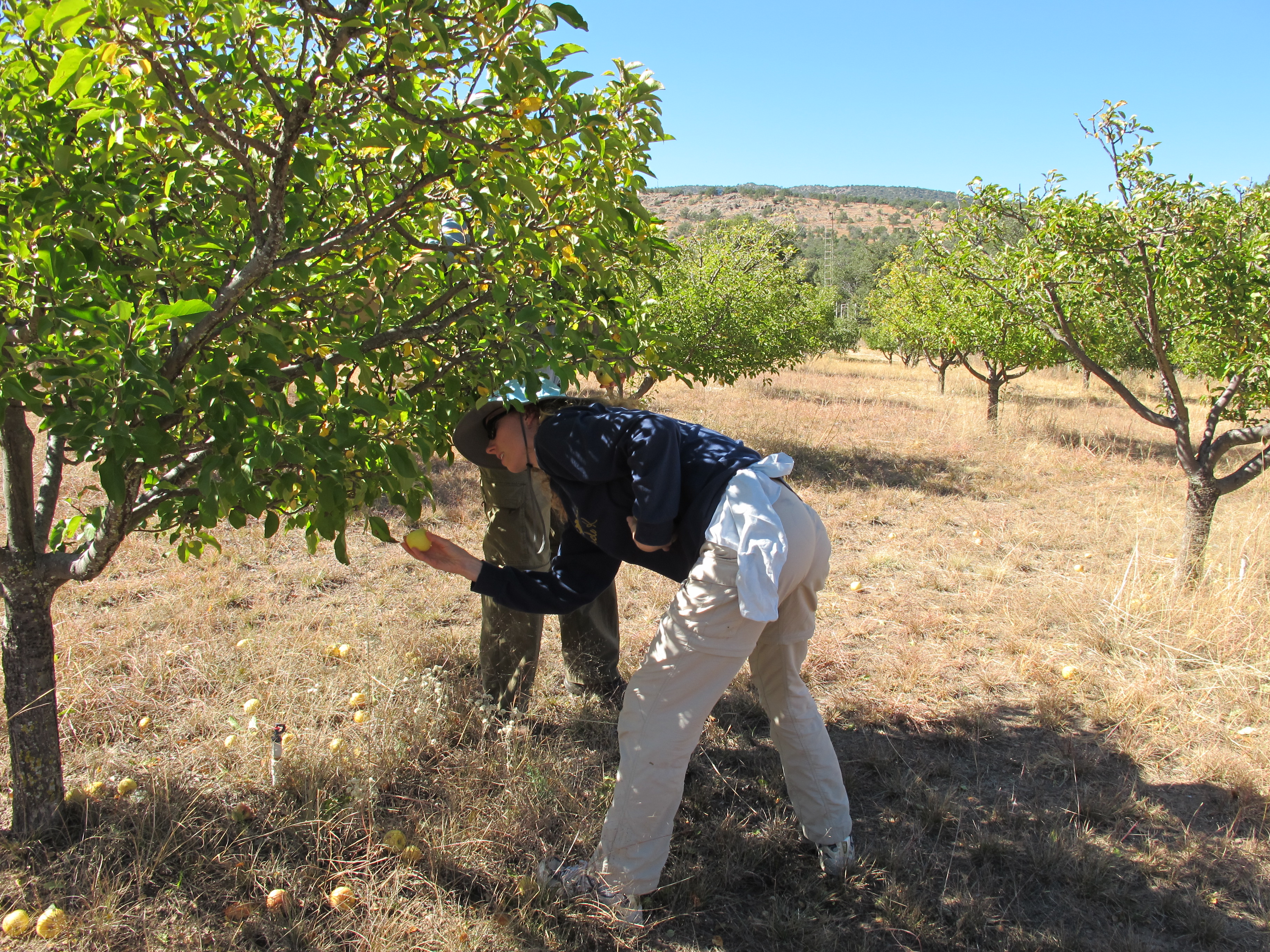
That would be picking organic apples at an orchard near my grandparents’ cabin in West Texas.  The owners generously shared their apples with us, even though we were “Yankees.”

The golden delicious apples weighed down our checked bags a bit, but they made it back to St. Louis with only a few bruises.

I spent the morning chopping apples for applesauce, which is pretty much the easiest thing in the world to make.  Just wash the apples, cut them into chunks (I leave the skins ON), toss them in a pan with a little bit of water to get things going, and cook for awhile (20-30 minutes).  Voilà!  Beautiful chunky applesauce.

Apples are naturally sweet, so unless you’re using really tart apples, don’t add sugar.  Change things up a bit by adding a dash of cinnamon to your sauce.

I don’t know how many apples I started with (a lot!) but it cooked down to exactly 7 pints, which I processed in a water bath.  Handling the canning by myself was enough work without photographing the process.  I also intended to add cinnamon to some of the jars, but forgot amid the mild chaos.

Properly canned applesauce will keep for quite awhile without taking it space in the fridge or freezer.  See the canning instructions I followed here.

Pasta! Pasta!

When I requested pasta with pesto as an easy weeknight meal (extra easy because we made the pesto earlier in the week), I certainly wasn’t expecting to come home to this.

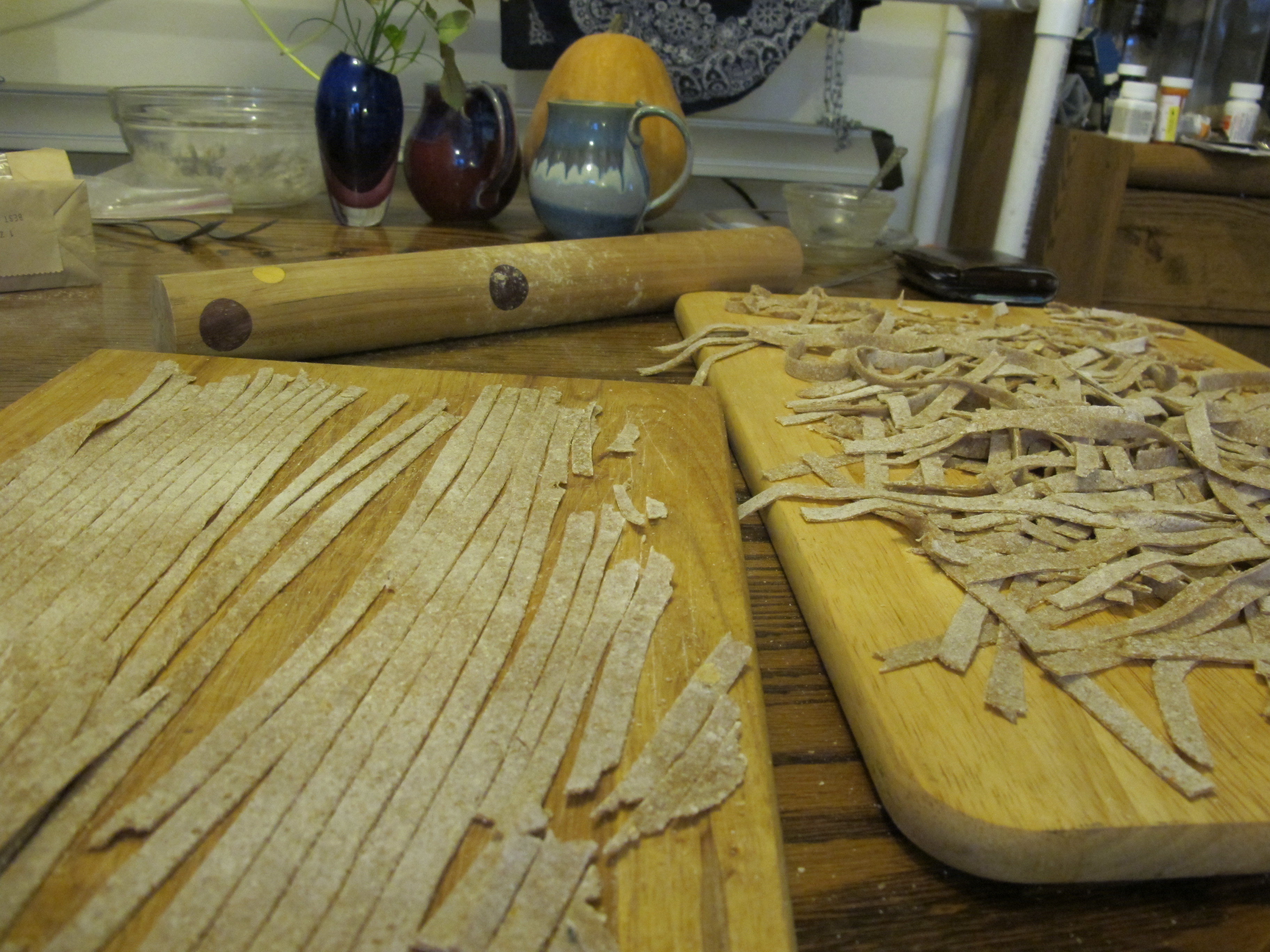
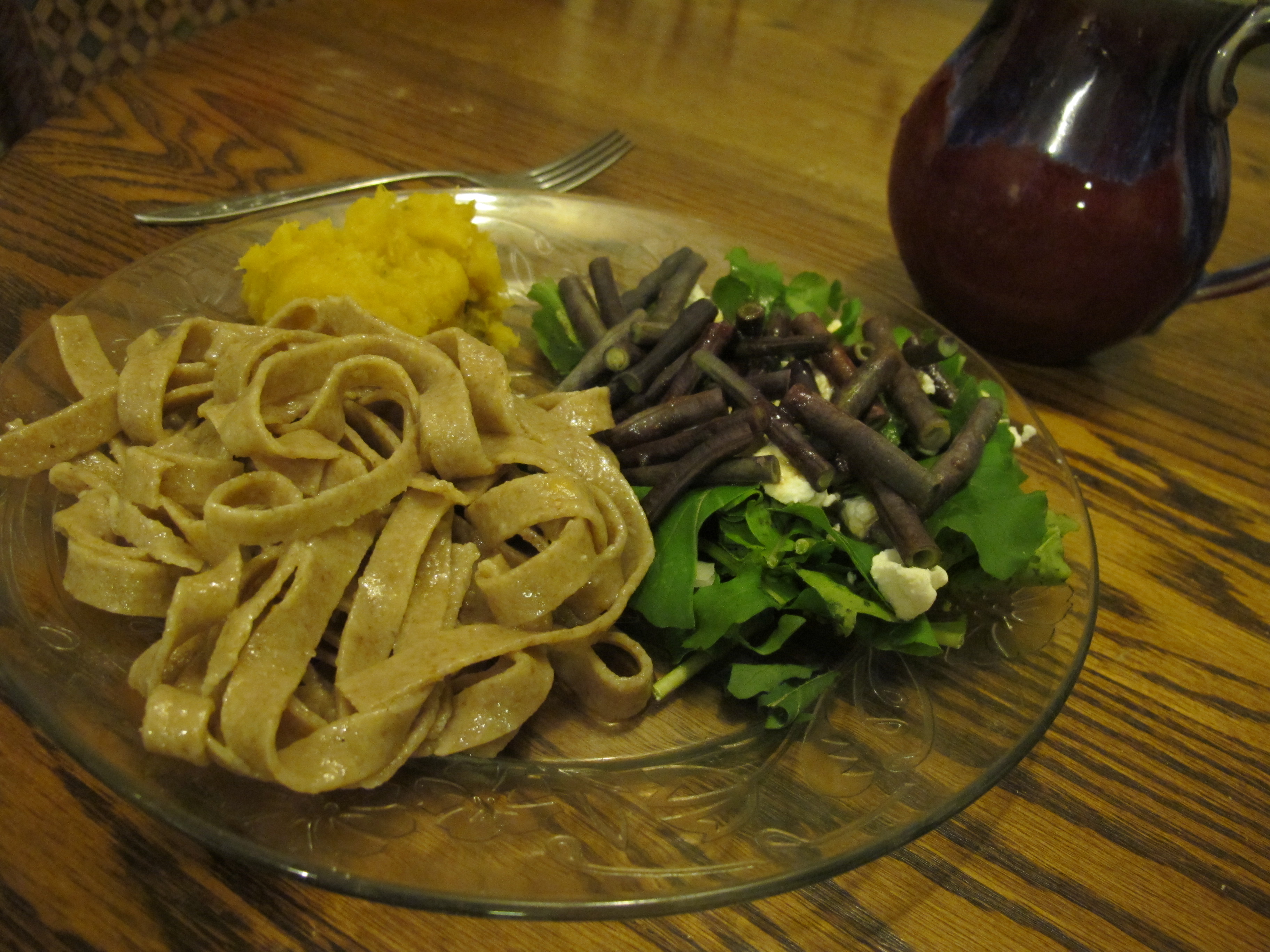
Homemade whole wheat pasta made from locally grown wheat!

We’ve been talking about making our own pasta for awhile now but feared that we would not be able to get the dough thin enough without some fancy pasta maker.  The full pasta-making kit attachment for our stand mixer costs about as much as the mixer itself, not to mention that you’d be buying some tools that do just one thing — make pasta.

So Matthew found a recipe for whole wheat pasta, pulled out our lovely made-in-Missouri rolling pin, and got to work.

No pasta maker?  No problem.  Matt still wants to tweak some things, but I thoroughly enjoyed our first homemade pasta venture — whole wheat fettuccine.

Green features:

  • 99% local ingredients (flour, water, and eggs) — only the salt was non-local
  • Avoids packaging of store bought pasta

Little dumplings everywhere

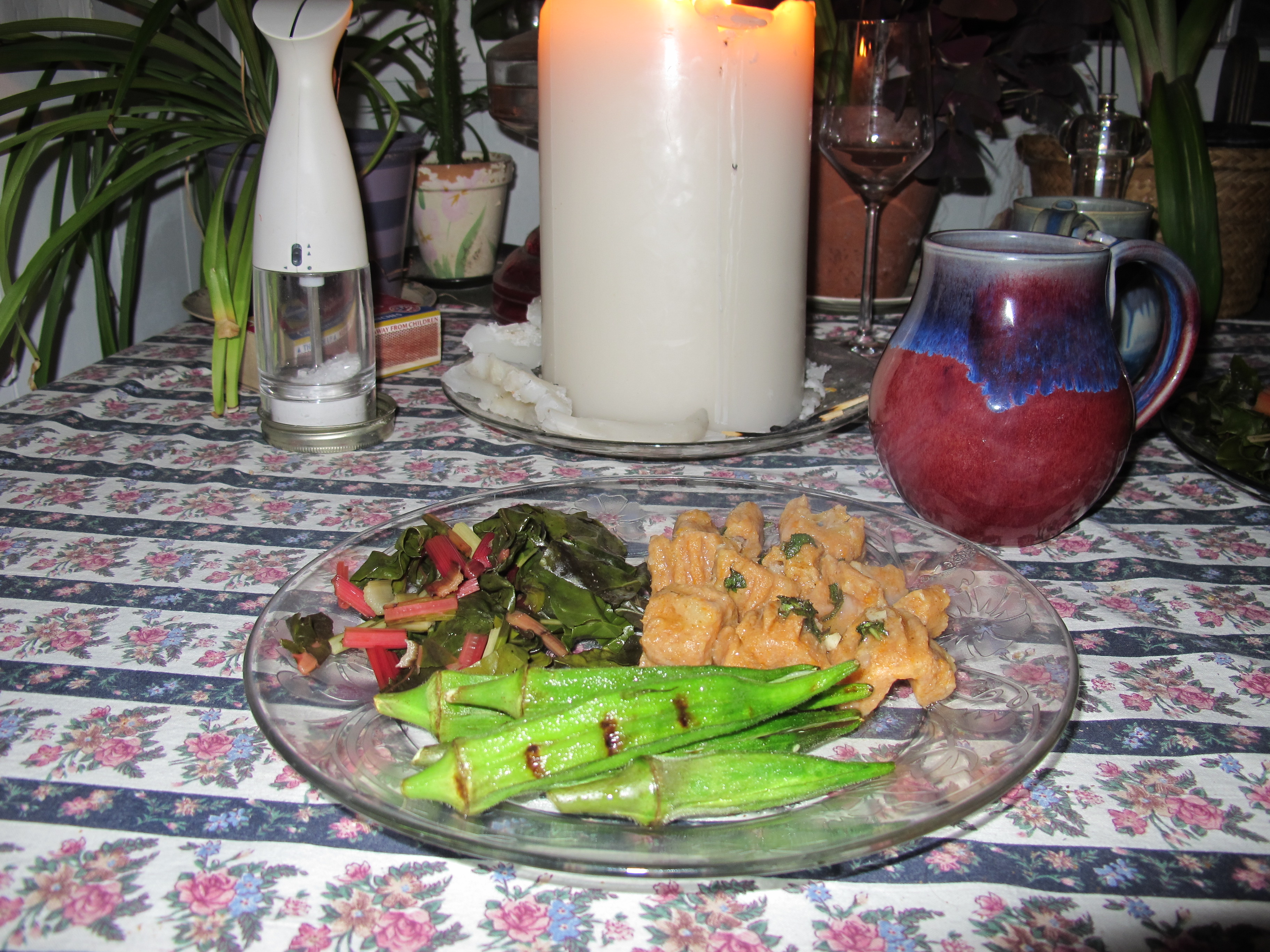
We discovered the wonders of butternut squash gnocchi back in February, when we were enjoying last year’s winter squash harvest.  Last week, we made our first batch with this year’s squash.

We used this recipe for butternut dumplings (AKA gnocchi) with sage brown butter.  We substituted whole wheat pastry flour for the all purpose flour, as always.

If you’ve never made gnocchi before, it’s a bit of work, but worth the effort!

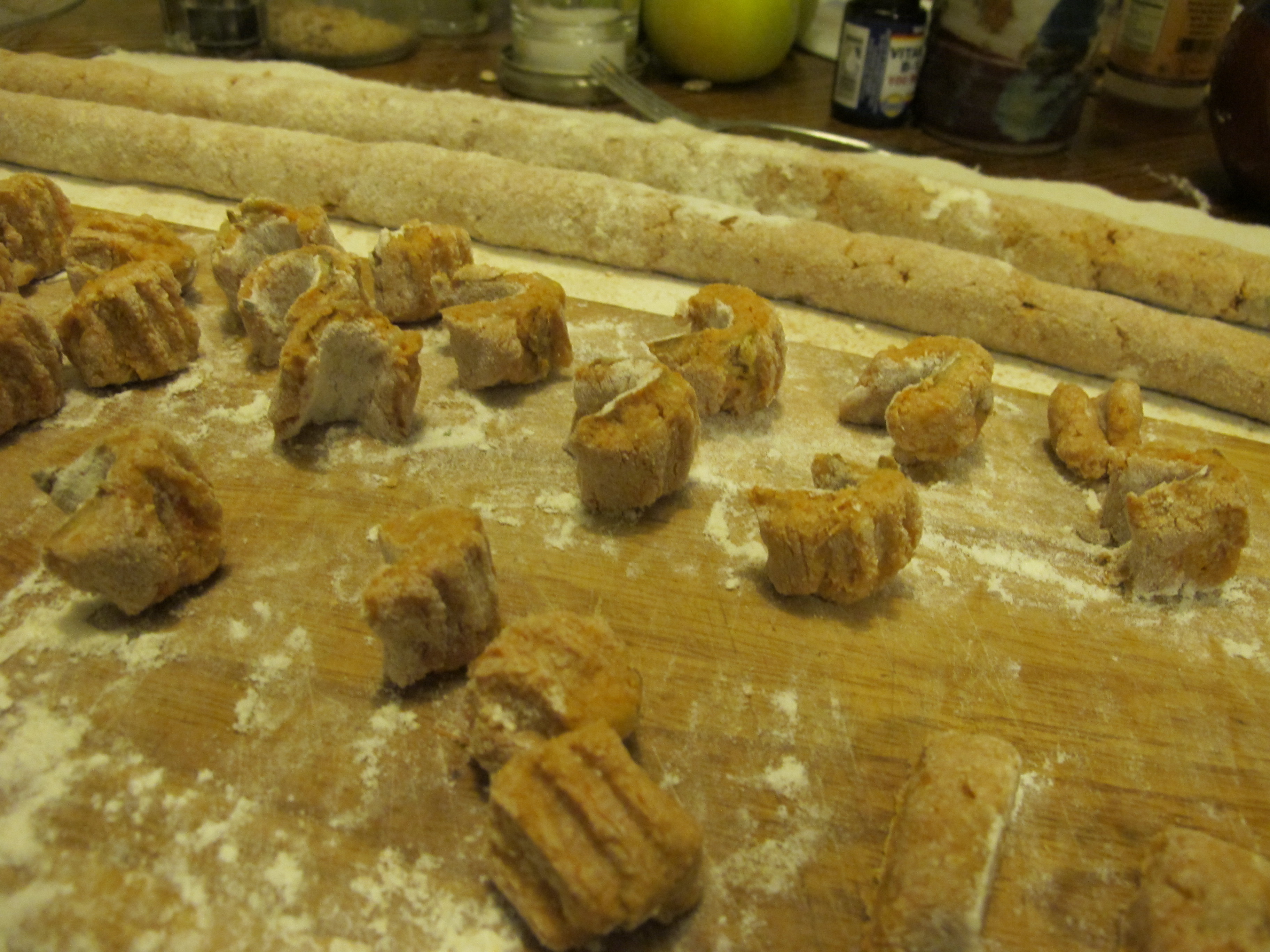
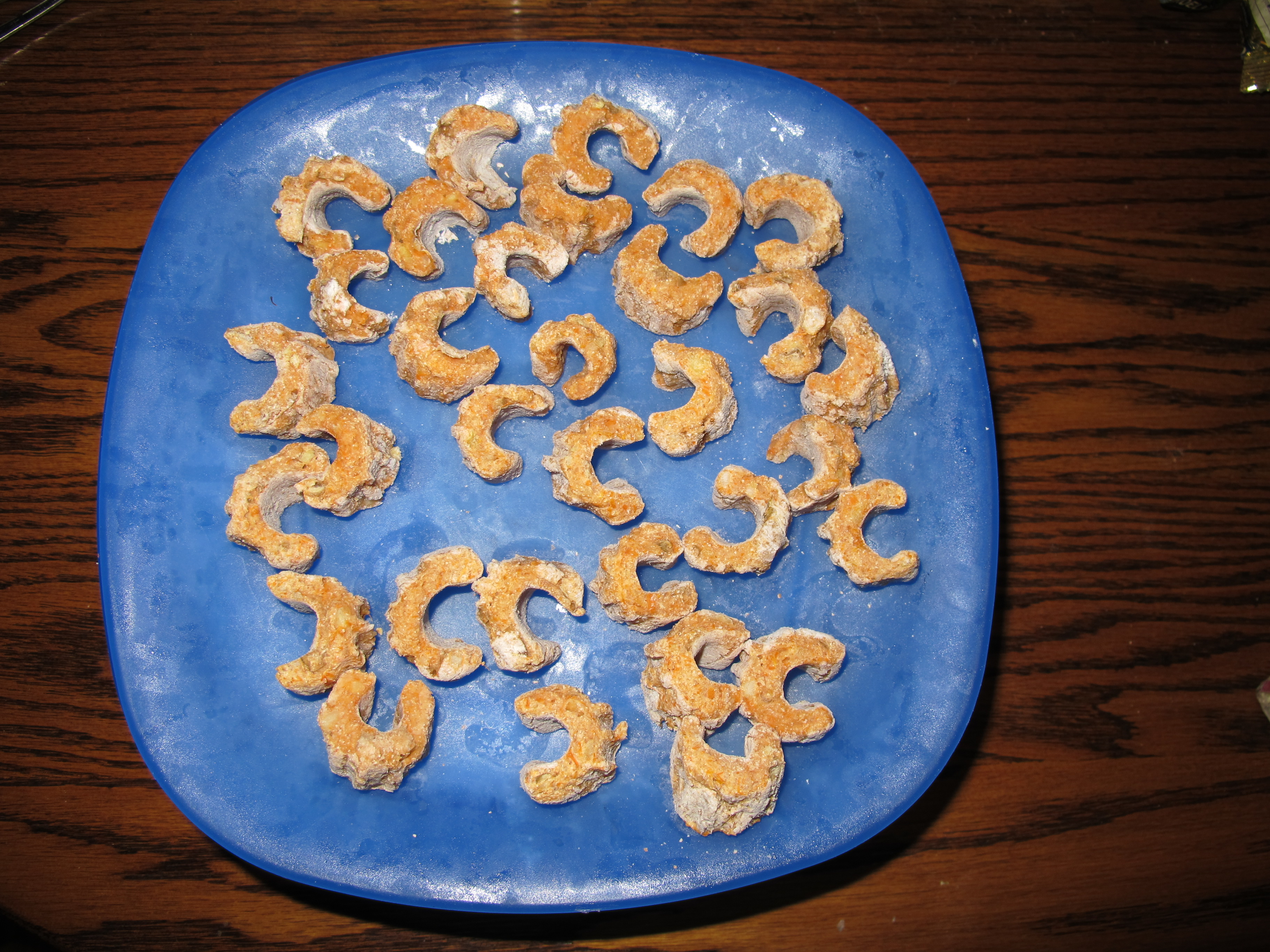
After the dough comes together, take a chunk and roll it into a long rope (back of above picture).  Then cut the rope into small chunks.  If you’re feeling lazy, you can stop here, but they cook better (and look fun) if you make an indentation with fork tines and then wrap around the handle of a spoon to make a nice C-shape.

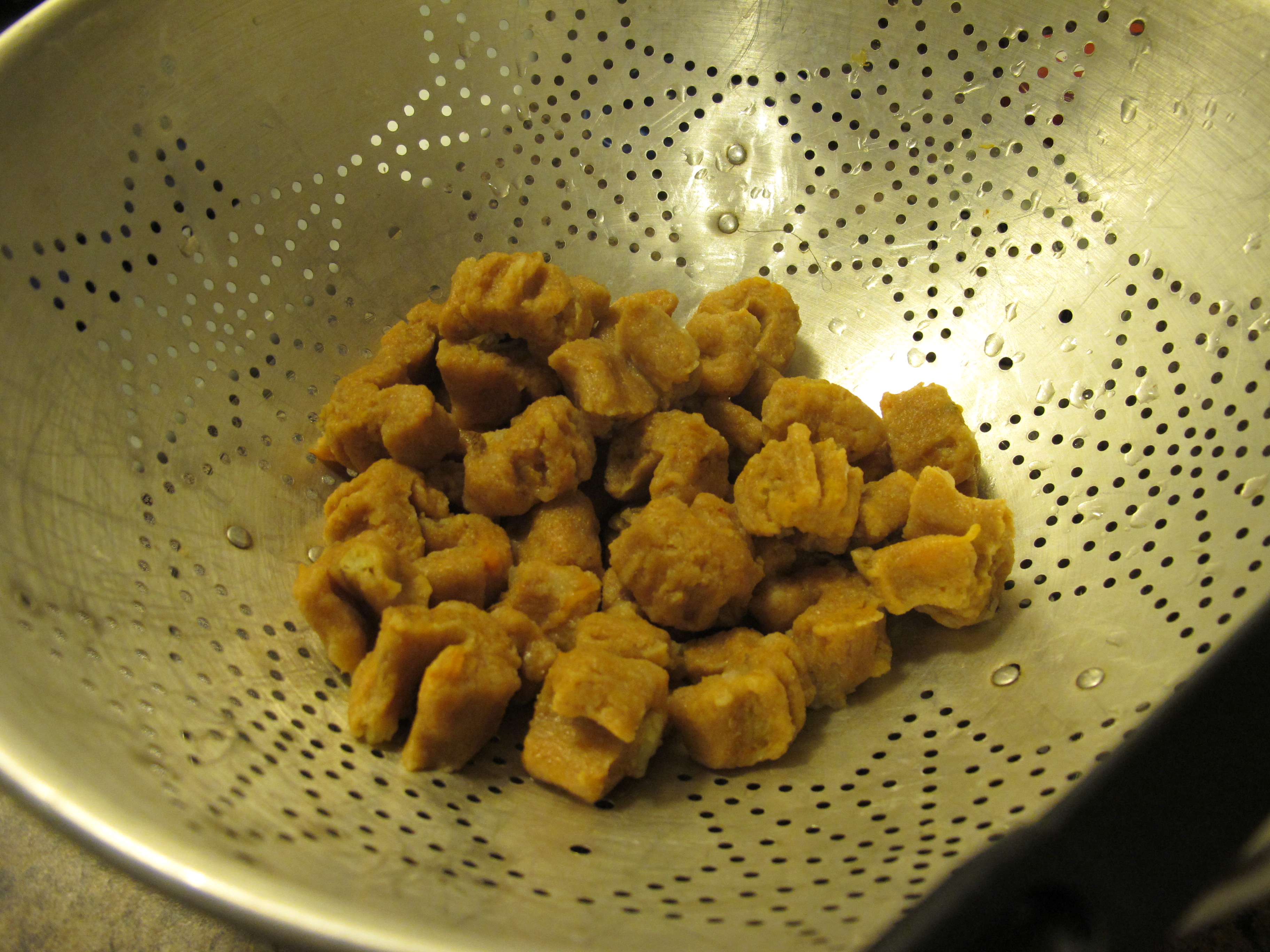
After boiling for a few minutes, you have finished gnocchi.  Drizzle the sage browned butter on top, and dinner is served!

This recipe makes a lot of gnocchi.  After the shaping step, but BEFORE the cooking step, we set half of the gnocchi on plates in a single layer to freeze.

Once they’re frozen, toss them in a container or baggy for a quick, delicious meal some other night.

Quinoa-stuffed acorn squash

Do you have quinoa cooked up?  If not, cook some quinoa.

Cut acorn squash in half and scoop out seeds.  Place cut-side down in a baking dish with a few tablespoons of water.  Bake at 350-400 degrees F (temperature is flexible and can be set to accommodate other things you’re baking at the same time) until the squash is tender (20-30 minutes?).

After the squash is in the oven, chop some onions, garlic, and bell peppers (you can toss in almost any veggie you like here).  Saute in olive oil, then remove from heat and stir in the cooked quinoa.  Add dried fruit — I used golden raisins, but cranberries would be good.  Season to taste with salt and pepper.

When squash is tender, turn them over and fill the squash “bowls” with the quinoa mixture.  Top with toasted almonds and bake for 5-10 more minutes.

Grilled

I threw this together as a fast, easy weeknight dinner last week.  We have a semi-functional charcoal grill, but firing that up just to grill a few veggies hardly seems worth the effort (not to mention the air pollution).

When we first received a hand-me-down George Foreman [countertop] grill from my MIL, I was skeptical.  Would this be just another appliance taking up space on our counter?  The answer, for us, is no.  We use the grill pretty regularly — not quite that “real grill” flavor, but pretty good with a lot less fuss and effort.

For this meal, I tossed eggplant slices, whole okra (sliced lengthwise from tip, stopping just before the stem so it stays together), and onion slices in some olive oil and salt, then set them on the grill.  The only drawback with our rather small grill is that this does require multiple batches, but everything cooks pretty quickly, so it doesn’t take too long.

To round things out, I tossed brown rice (cooked for an earlier meal) with some frozen peas, garlic-infused olive oil, and roasted sunflower seeds.  We enjoyed the grilled okra dipped in our homemade catsup, spiced up with a little chili sauce.

Beyond the countertop grill:

Gas grills generally come out ahead environmentally in the “gas vs. charcoal” debate, but both types use resources and create air pollution.  If you already have a charcoal grill and aren’t ready to plunk down the cash for a gas version (like us) here are some tips:

  • Avoid lighter fluid, which has a whole slew of nasty chemicals in it.
  • Instead, invest in a charcoal ladder, which enables you to start a nice, hot fire, with nothing more than charcoal.
  • Look for charcoal that is additive-free and/or Forest Stewardship Council certified.
  • When you’re down cooking, pour water over the charcoal to cool it down so you can use the remaining pieces next time.

What are your tips for tasty, greener grilling?