Making English muffins has been on my list of “things to try” for several reasons: 1) English muffins are delicious and versatile, 2) store-bought are kind-of expensive and often have weird ingredients, and 3) they seem like they shouldn’t be that hard to make.
My first attempt came out edible, but disappointing due to the decided lack of rising. I was too bummed to take photos of version 1.0, but they were flatter than my chest, and that’s saying something.
Matthew made version 2.0, with a few small tweaks to the original recipe I used from the back of a bag of Arrowhead Mills flour:
 The blacked out portions come courtesy of Matthew, who takes issue with any kind of branding. Obsessive compulsive, much?
We tweaked it by adding a little extra yeast and honey (amounts noted in the photo), as well as adding wheat gluten (this helps the rising in bread recipes with a lot of whole wheat flour).
We also changed the directions a bit. Combine the yeast and warm water (100-110 degrees F) as indicated, but then add 1 cup of the flour before adding anything else. This protects the yeast from activating too quickly when the honey is added. After you mix in the cup of flour, go back to the printed directions.
The directions say to “stir until smooth,” but you’ll actually need to get your hands in there and knead it for a bit. After we made a nice dough, we covered it and let it rise for a bit in the bowl (maybe 30 minutes — it didn’t really rise much), then proceeded to roll it out. Roll it to about 1/2 – 3/4 inch thickness.
 This is how the muffins should look post-rise. We let these rise for about an hour-and-a-half. Then we fired up our electric griddle (set to “medium”). A cast iron pan on the stove top would also work for these.
 The result? Beautiful, delicious English muffins on the second attempt! Matthew has the baker’s touch. Luckily, we doubled the recipe, so we have twenty muffins.
In addition to more traditional preparation methods (butter and a bit of jam or as a base for a fried egg breakfast sandwich), English muffins make great burger buns or bases for sandwiches. Choose open-faced for the perfect ratio of toppings to breadiness.
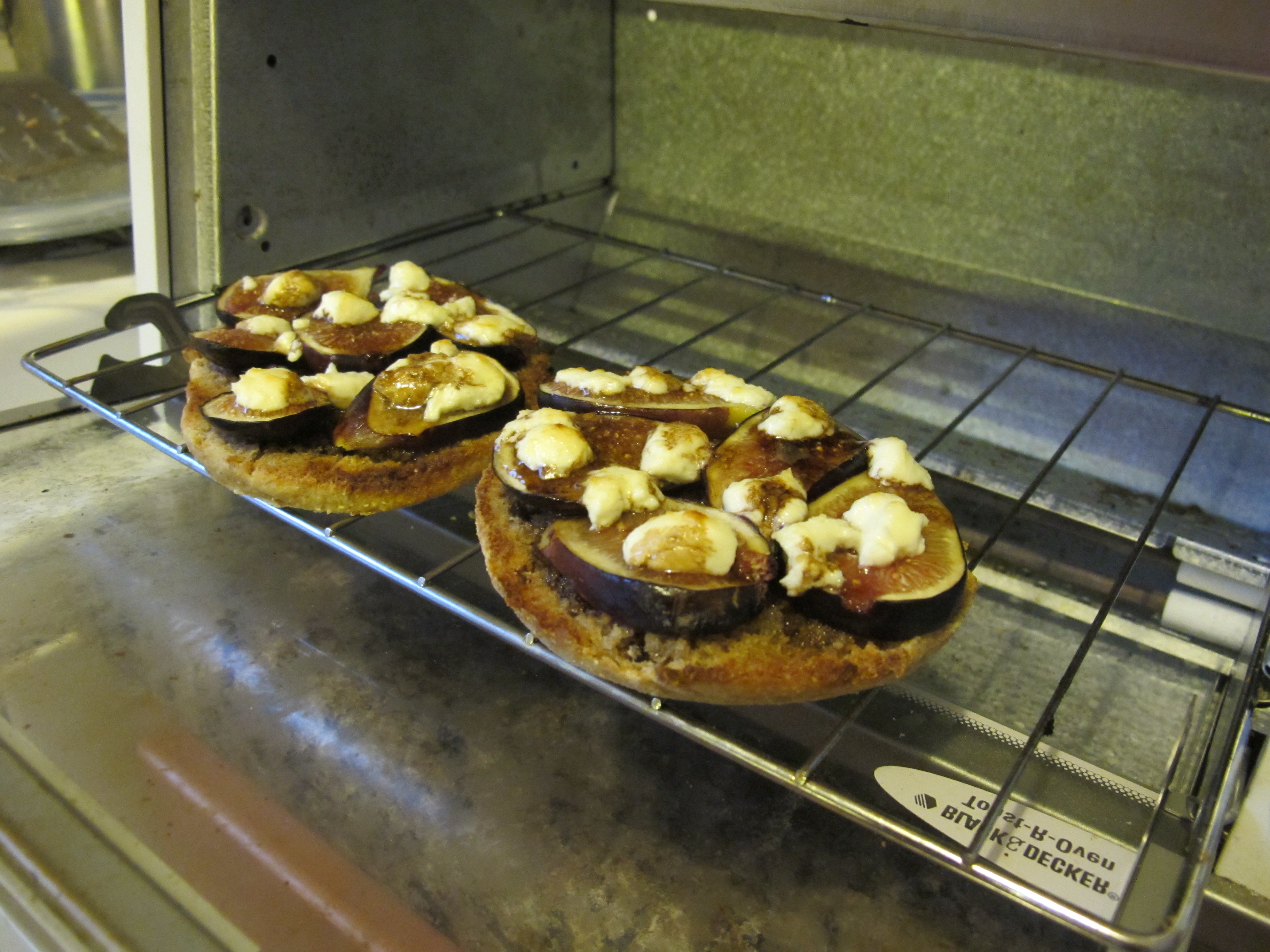
—
Note on the recipe: I looked on the Arrowhead Mills (big black marker here if you’re Matthew) website, because I really just wanted to post a link to the recipe, but the recipe wasn’t there. I’m using a photo of the recipe instead of typing it out because, well, I’m lazy. If you click the photo, it should be plenty clear and large enough to read without too much trouble, but if that’s not the case, let me know.


 They boldly trellis up my massive corn stalks and gracefully hang from the plant like some other-worldly red serpent swaying in the deep blue sky. They taste just as wild with a nutty, crisp, and fulfilling flavor.”




 Her Green Life