Injera stew

One of the many restaurants we tried in Portland was Queen of Sheba, an Ethiopian restaurant.  While we have an Ethiopian restaurant we like quite a lot in St. Louis, Queen of Sheba made the cut for its mushroom dishes and the fact that it was an easy walk for picking up take-out.

Given many of the green efforts I witnessed at various Portland eating establishments, I was disappointed by the plastic take-out containers.  I mean, I knew take-out would generate waste of some form or another, and we were able to recycle the containers, but it was not ideal.

Anyway, the food was quite good, but we were left with our standard Ethiopian meal dilemma — leftover injera.  While the various Ethiopian stews reheat quite nicely, I can’t say the same for injera, the sourdough “pancake” that is both a bed for the stews and the means of scooping up the food.

A couple of searches for uses for leftover injera didn’t turn up much, so I decided to wing it.  I should add here that Matthew was very skeptical of my approach to this dish, which in turn made me a bit nervous, especially since I was cooking for his sister and her boyfriend as well.  However, I continued with my impromptu plan and heard no complaints as we devoured most of the stew in one sitting.

Injera stew

Recipe by Melissa
Serves 4-6

Ingredients
5-6 c. vegetable broth, or water plus vegetable boullian
3/4 c. orange lentils (small and quick cooking)
2-3 c. prepared tomato sauce or tomato puree
4-6 c. veggies, including onions, carrot, garlic, kale or other greens
4-5 cups chopped leftover injera
1 t. cumin

Directions
Place lentils in large pot (we’ll be adding other ingredients to the pot later).  Cover lentils with water and cook until tender.  While the lentils cook, chop and saute the veggies in a mix of butter and olive oil.  The veggies should be tender-crisp, just enough of a saute to pick up some fat and flavor — they’ll cook more in the stew.

Add sauteed veggies, broth, tomato sauce, injera pieces, and cumin to the pan with the cooked lentils.  Stir to combine, cover, and simmer to 20 minutes, or until vegetables reach desired tenderness.  Stir every once and awhile, and add more broth or water if it gets too thick.  Salt and pepper to taste.  Serve hot in large bowls.

Portland eats

We embarked on our Portland trip with a long list of recommended restaurants, and a good bit of our time there (and most of the money we spent) revolved around food — the norm for us.  We needed plenty of good food to fuel our week of biking, walking, and hiking in and around Portland.

We didn’t have time to hit everywhere on our list, so we prioritized eateries and food that we are less likely to find in StL, with a few home-cooked meals interspersed, to sate our love of cooking and save a bit of money.

Our first meal out in Portland was lunch at a farmers’ market, where we enjoyed artichoke-goat cheese tamales.  That evening, we had burritos at Cha Cha Cha — the Oregon Harvest burrito was our favorite.  Despite being stuffed, the neighboring ice cream shop lured us in for a scoop of amazing browned butter almond brittle, which we shared as we walked home.

Over the next few days, we enjoyed “The Oregon” pastry from Ken’s Artisan Bakery, house-made ramen noodles at Boke Bowl, ice cream at Ruby Jewel, and Ethiopian take-out from Queen of Sheba.

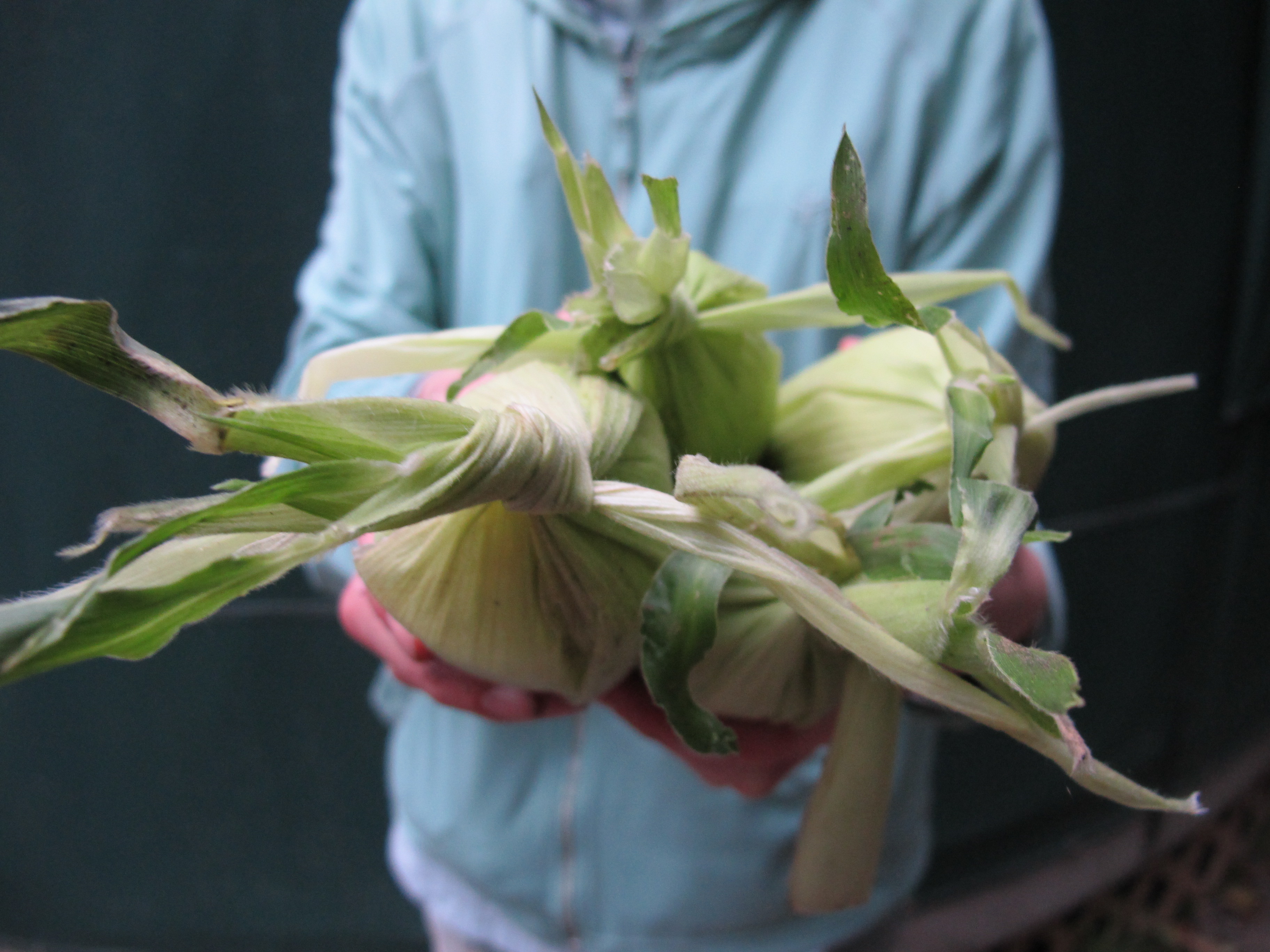
Over the weekend, we drove to the coast to camp in yurts and enjoy some grilled goodies.  I took charge of the grilled corn project, with unexpectedly good results (stay tuned for tutorial post).

The feast also included grilled bread with delicious Oregon tomatoes, grilled crackers with smoked Brie, veggie dogs, and baked beans.

The only thing missing was hot chocolate (it was cold at the coast!).  We remedied that with a stop at Cacao for some drinking chocolate, but not until Monday when we were back in Portland.

Other than chocolate (and more pastries), our final days included not one, but two (very different) Thai meals, homemade injera stew (recipe later this week), and a vegan BBQ food truck.

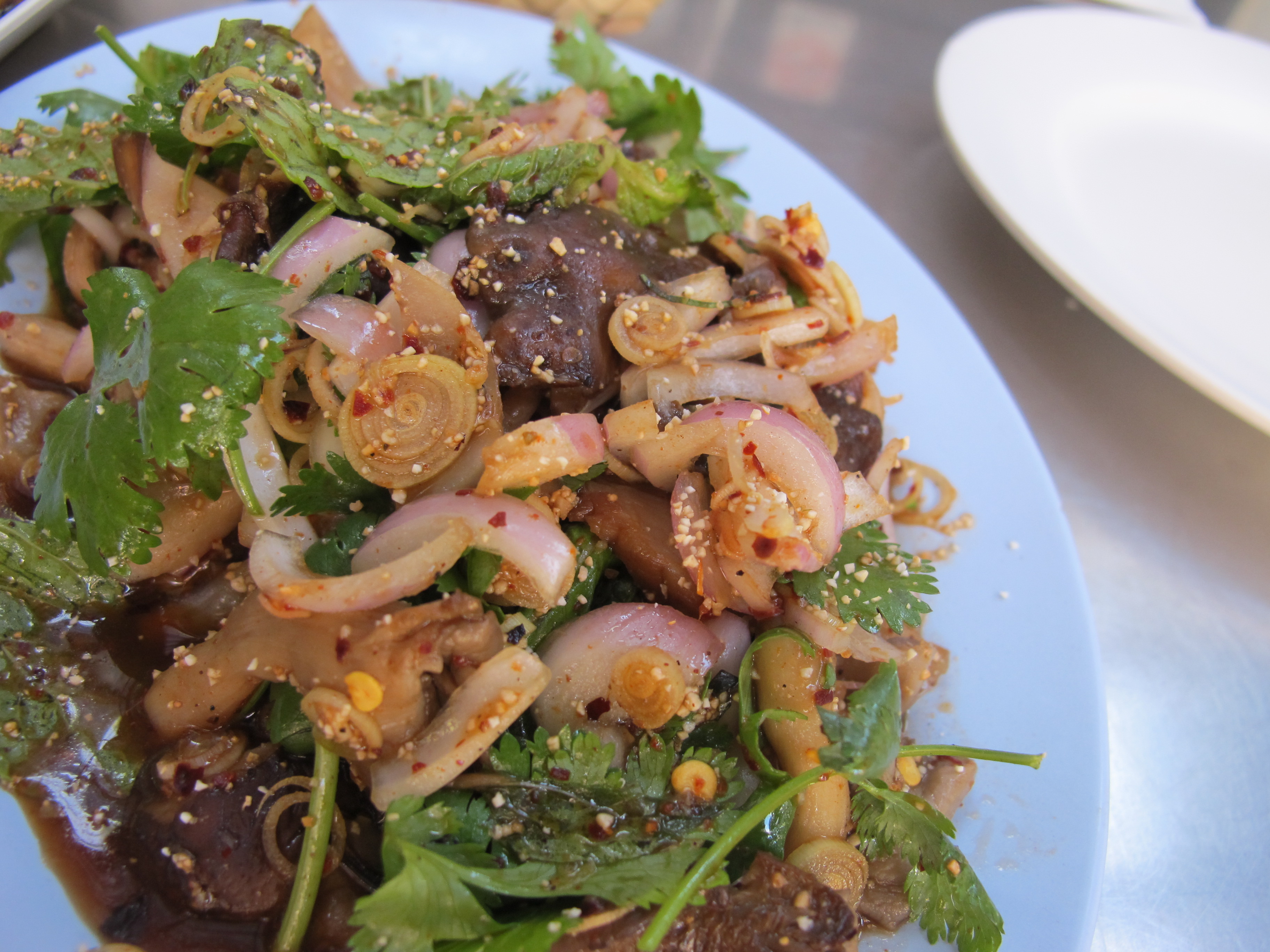
The [very] spicy mushroom salad at Pok Pok, which is known for authentic Thai street food.

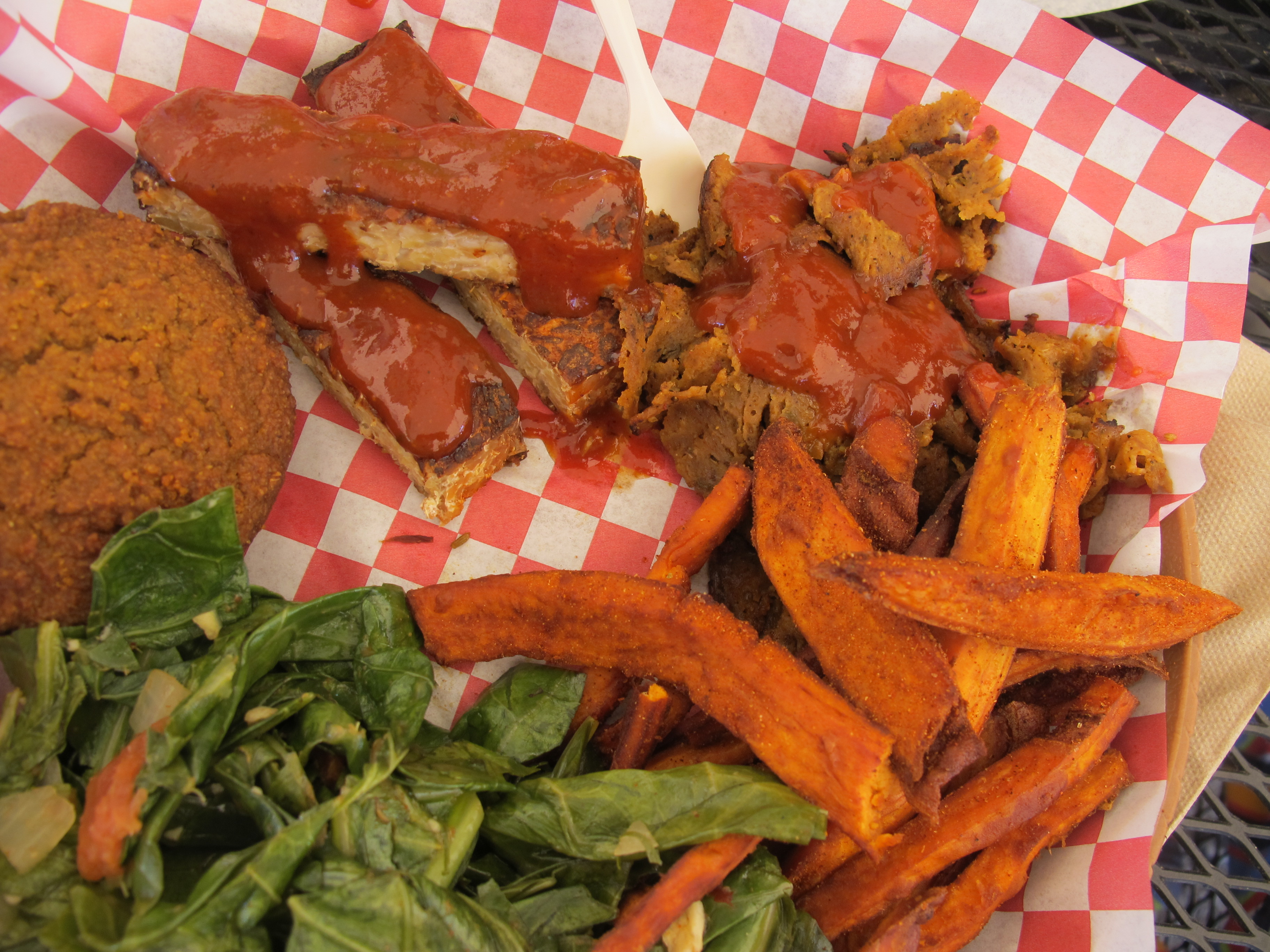
Our vegan BBQ meal included tempeh ribs, seitan pastrami, and some tasty sweet potato fries.

We capped off our visit with a date night at Kuhn Pic’s Bahn Thai.  Tucked into an old Victorian house, Kuhn Pic’s is a labor of love for couple who run it (she cooks, he takes care of the front of the house).

The restaurant puts the S-L-O-W in “slow food,” which is important to know ahead of time — have a good-sized late afternoon/early evening snack, plan on spending at least two hours there, and you’ll be ready to enjoy some beautiful and delicious Thai food.

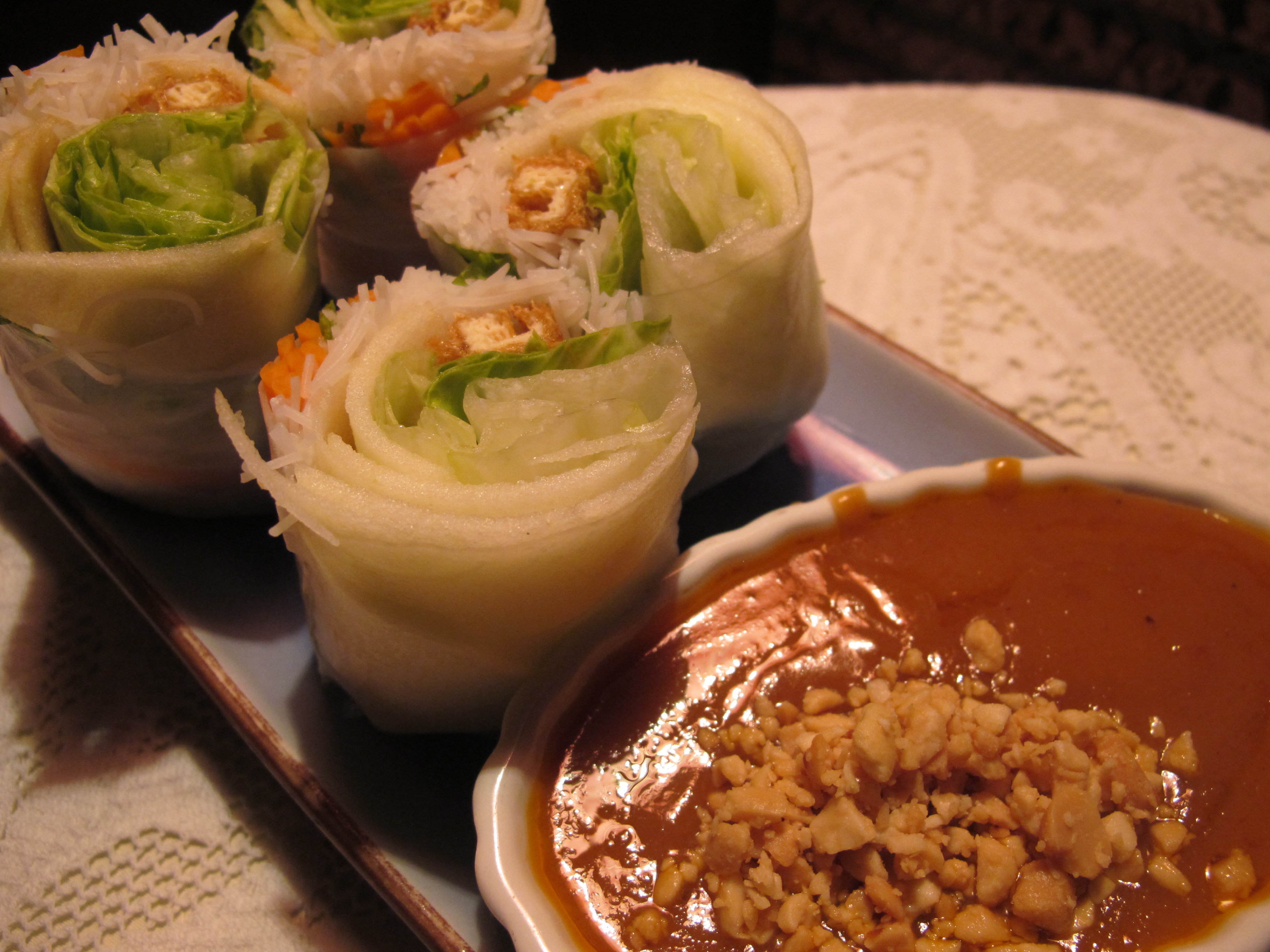
Our feast included the spring rolls, with the amazing peanut sauce for dipping, and two entries we shared — pad see ew and drunken noodles.  We left tired and happy, my head filled with crazy ideas of attempting some kind of similar restaurant concept in StL.

Simply food

I started this blog as a place to write, and I rarely used pictures in my early posts.  In general, I try to avoid photo-heavy posts, but these days, my opportunities to actually get to the computer and write are limited.  Most of the following photos have stories that could (and perhaps still will) be posts unto themselves, but for now, the pictures will do most of the talking.

Ground cherries (AKA husk cherries):  related to a tomatillo (same papery husk), but smaller and sweeter.

We had a decent harvest this summer, and Gabriel was especially fond of them.  They’re good but nothing particularly amazing in my book, so I was shocked to see them selling for $9/pint — definitely wouldn’t pay that.

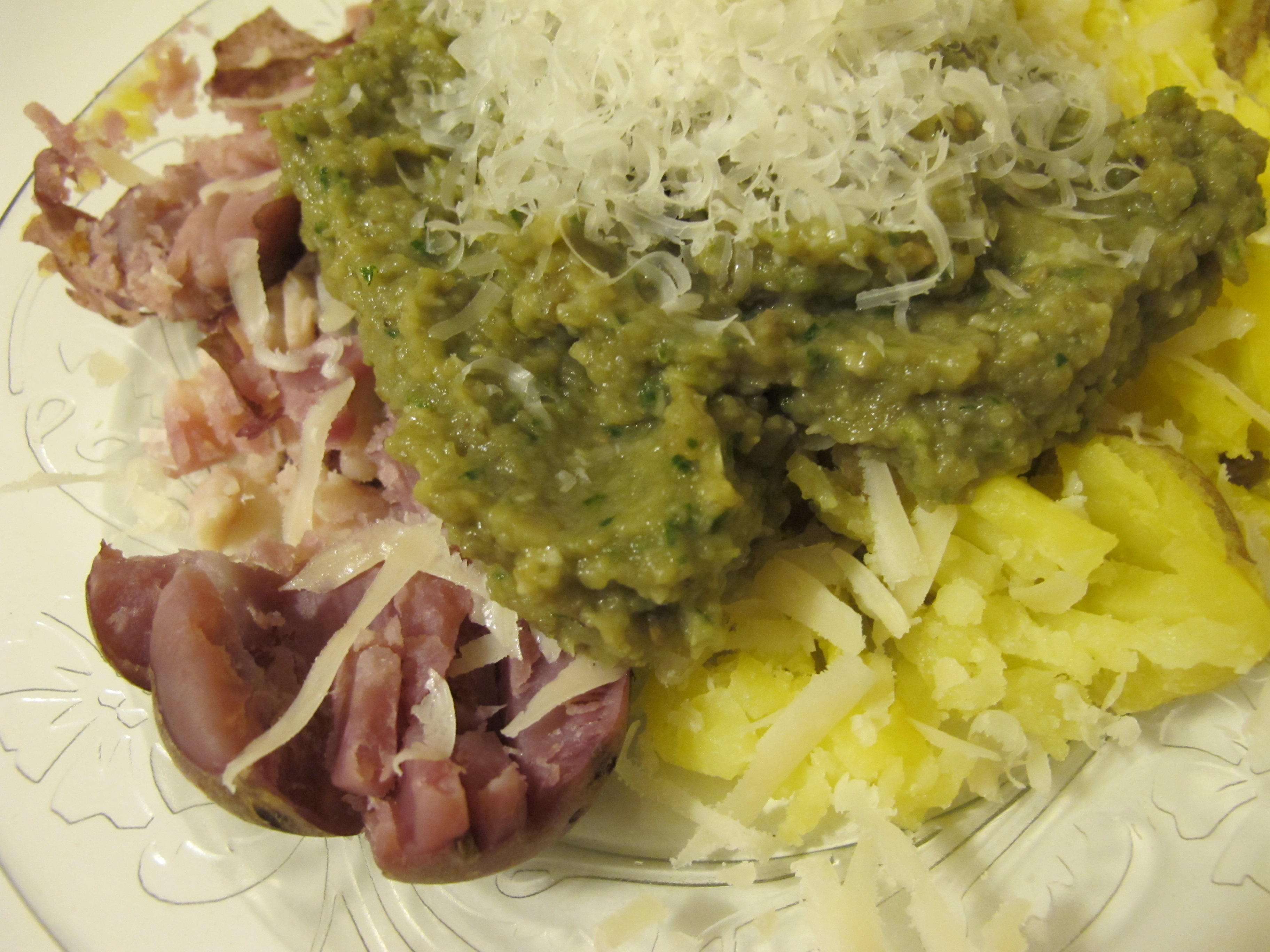
A rainbow of potatoes, boiled whole, and smashed . . .

. . . then topped with a thick, rich eggplant sauce.

Buckets o’ basil — I froze seven bags (each with four packed cups of basil) for pesto and other cooking throughout the winter.

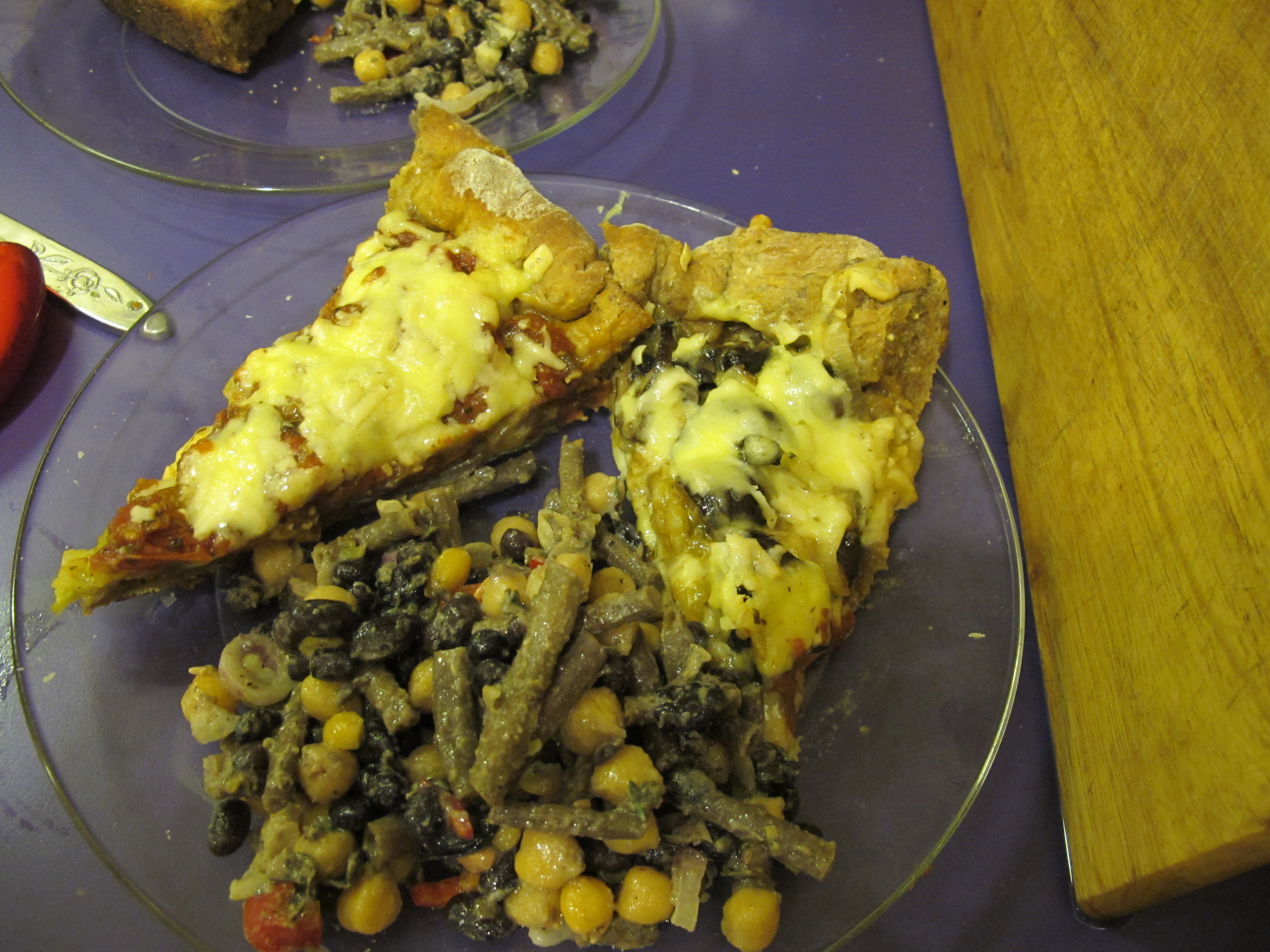
Deep dish cast iron pizza goodness . . .

. . . served with a three-bean salad.  And that’s a wrap!

Another year, another festival

With the exception of my first summer in St. Louis (when I wasn’t in the know), I’ve been to the Festival of Nations every year.  In 2010, I wrote about the efforts to “green” the festival.

Last year, we deemed it important enough to attend with a seven-week-old.

I can hardly believe he was ever that small — he looks SO different now!  I don’t remember much of last years event, other than the  fact that using the festival “shuttles,” which were school buses, was rather tricky with a big ol’ stroller.  Biking would have been much easier, but we weren’t biking with him at that point.

Our plan this year was to leave immediately from the festival to head to the garden for the rest of the day, so we drove the car, which is probably the first (and hopefully the last) time I used that form of transportation to get there.

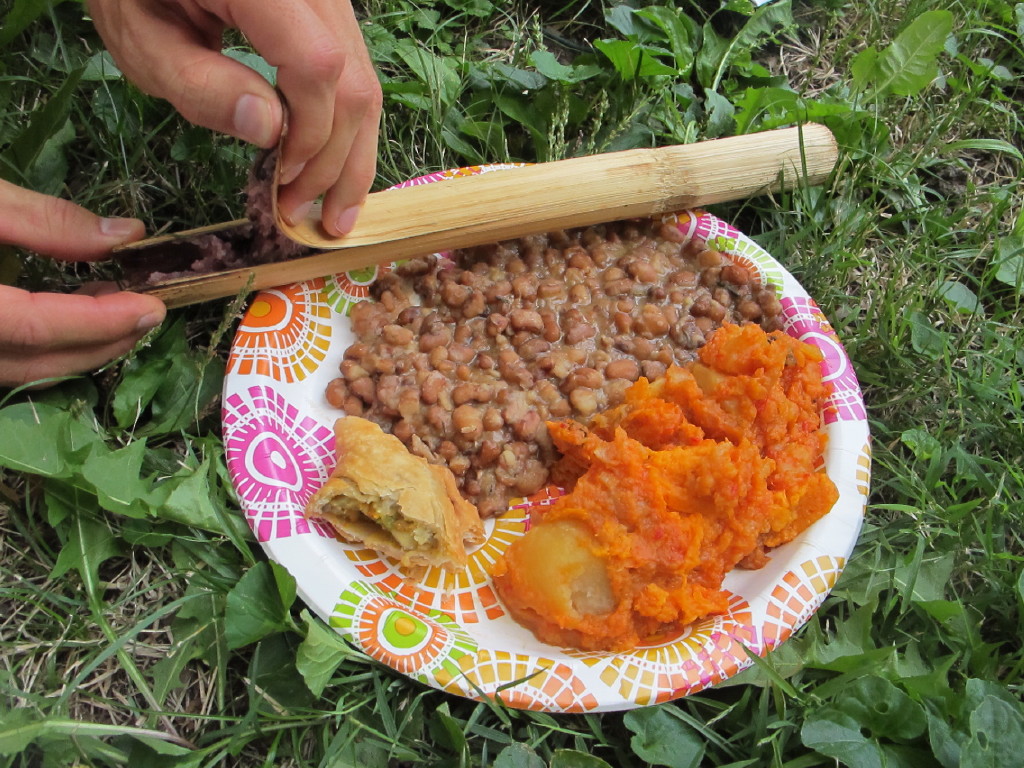
In the background are the Nigerian and Iranian food booths, a couple of our favorites from past years, conveniently right next to each other.  Unfortunately, the Iranian booth did not have baklava this year, but the Nigerian booth had our favorites, African honey beans and honeyed yams.

We also tried a couple of new items from the Thai booth: a curry mushroom puff and sweet, sticky rice roasted in bamboo.

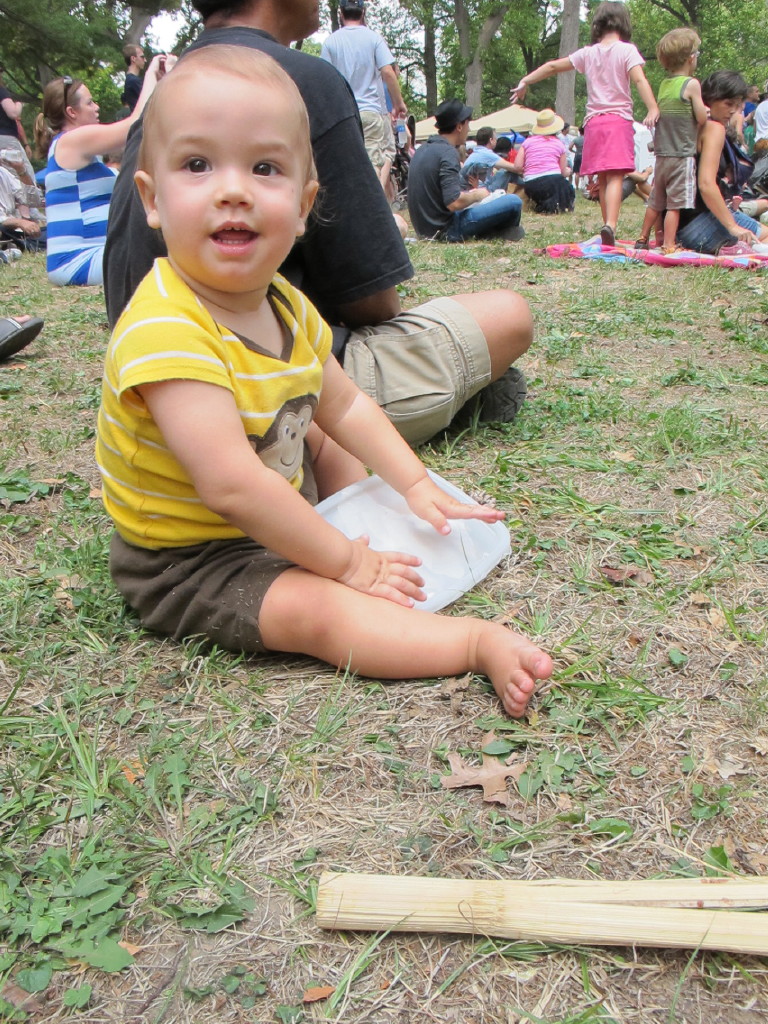
We enjoyed sharing the delicious, unique flavors with Gabriel, who was quite happy to dig in to the spread.  It’s crazy how much a year (or two) can change things — from no baby, to a tiny baby, to a curious, active almost-toddler.

We compromised and used their paper plates with our utensils.

After eating, we wrapped up our trip with a visit to the main stage, and Gabriel made friends with the man sitting next to us and jammed out on his “drum.”

A week of Indian food

Since the food swap netted not one, but two, delicious meals, I decided it deserved two posts — plus, I managed to photograph some of the food before devouring it this time!

As I mentioned last week, Nupur’s cooking inspired me to pull out the southern India cookbook we have and make a few dishes myself.

Egg biryani, pan fried idlis, and a delicious eggplant dish, courtesy of Nupur at One Hot Stove

Between Nupur’s two meals and my big batch of tomato (and tofu and veggie) rasam, we ate Indian food for at least one meal a day for a week — no complaints here!

My take on tomato rasam

In her post, “A week of vegetables, and eggplant dal,” you can read about the swap from Nupur’s point of view, including a couple of very lovely pictures of the vegetables.  In her second round of cooking, she used the veggies from our garden to create the dishes she shared with us, which made for extra fun eating.