Making freezer meals to have on hand for the postpartum period was one of our homework assignments for Naturally Prepared (our childbirth class).
Ironically, we didn’t get around to any freezer meals until the last night of class, when Matthew started a huge pot of ribollita (i.e., Tuscan bread soup, recipe here) that finished cooking just in time for us to leave for class without getting to eat any. We ate some for lunch the next day, and froze at least two meals-worth.
Apparently, that jump started things, because two nights later, we made a batch of Snobby Joes for dinner, and froze the leftovers.
Still to Come Our instructor (who just so happens to be Greek) shared her falafel recipe, which apparently freezes well, so that is on our “to make and freeze” list. Most veggie burgers also freeze well, and I’ve been scoping out a few new recipes from 101 Cookbooks:
We’ve talked about making spanakopita, which freezes well, but it’s a bit labor and time intensive — we’ll have to see whether or not that happens. If we make it, I want to try a version with Swiss chard instead of spinach, as we have tons of chard coming in from the garden at the moment.
I’d love more freezer-friendly vegetarian ideas — please share!
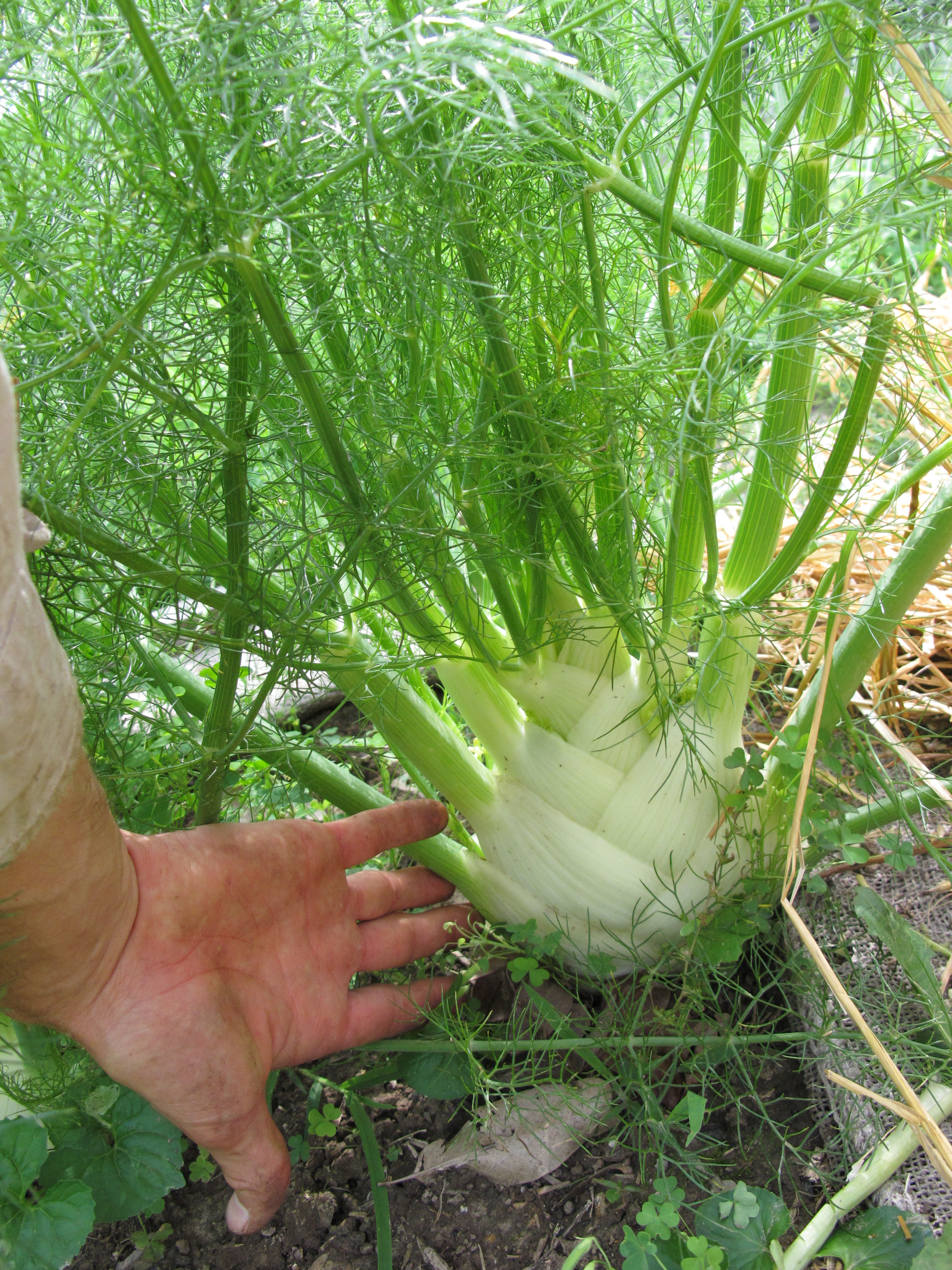
A gigantic fennel bulb! It’s always fun to try something new in the garden.* We tried fennel last year, but never got beyond a tiny little plant. Not so this year!
We roasted the bulb, and we’re using the stalks and feathery bits in salads. Roasted fennel is quite the treat! While we were at it, we roasted some garden beets and turnips, too 🙂
Roasted Fennel Preheat oven to 400° F. Cut fennel bulb into quarters. (Reserve stalks and feathery bits for something else.) Brush both sides of fennel with olive oil and sprinkle with salt. Roast for about 40 minutes — flip to other side at the half-way point. Finished product should be tender, golden, and caramelized.
*Growing Fennel (advice from Matthew)
We started the fennel from seed (look for “Florence fennel” or “bulbing fennel”) back in mid-January using our grow lights. We transplanted them to the garden in mid-March, when they were still quite tiny.
What Worked for Us
When transplanting (or if sowing seed directly), leave at least 12 inches between plants to encourage large bulb formation.
Keep plants well-weeded early on — mulching will help with this.
Keep watered, too — again, mulch helps here.
Pray to the weather gods 😉 The rainy, cool spring probably helped.
Going Dairy-Free Fortunately, most of our baked good recipes can be easily modified. Instead of cow’s milk, we substitute soy milk. Almond milk can also work some places, but soy is more similar to dairy in terms of fat and protein. For butter, we are using Earth Balance spread. It’s not cheap, but neither is the organic butter we buy. Fortunately, we’re going for dairy-free, not vegan, so we are free to use eggs.
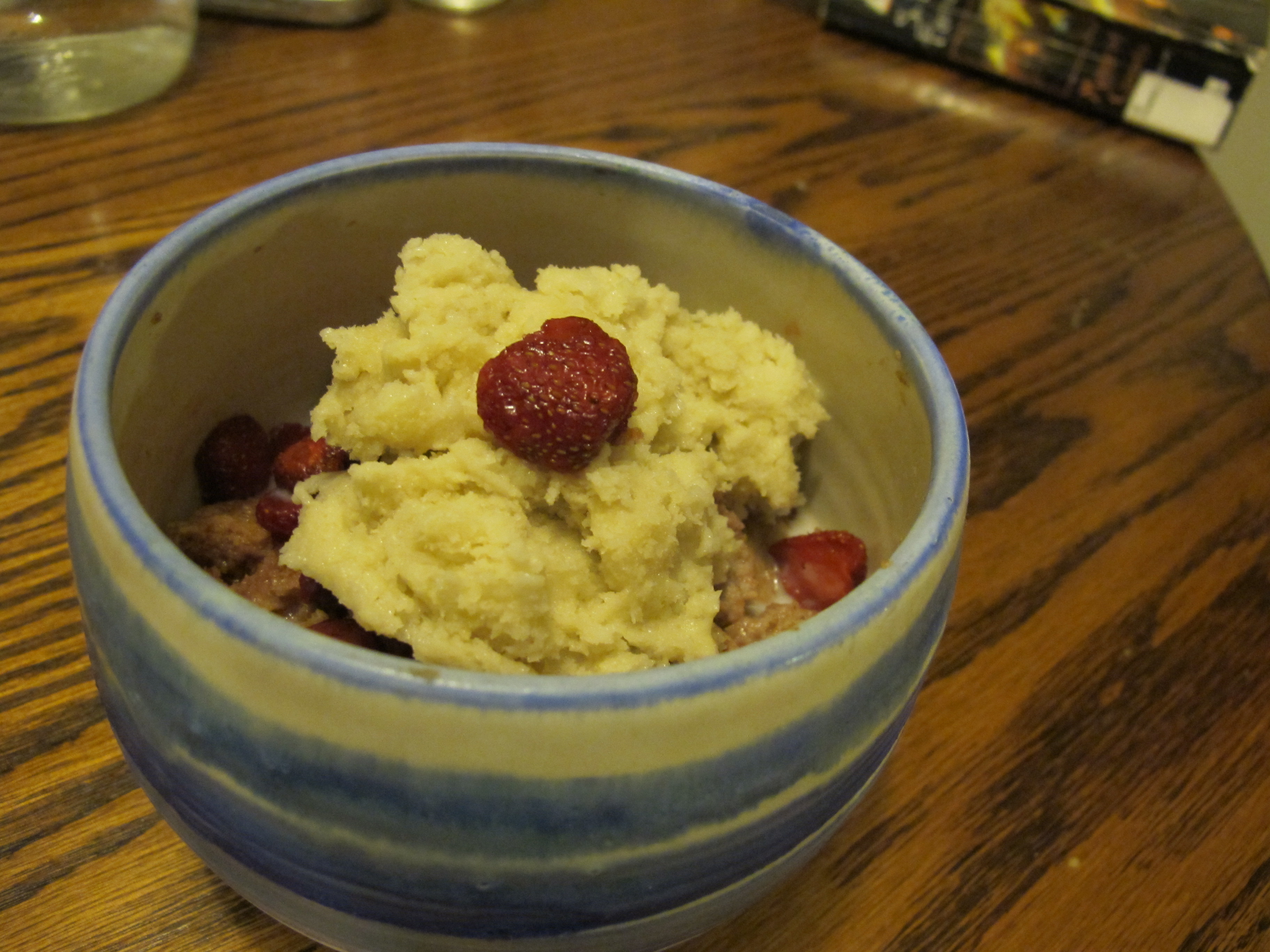
To make sure Matthew would not be deprived for the trial period, we made up dairy-free versions of some of favorite baked goods, including a sweet biscuit (great topped with fresh fruit and ice cream), date-oatmeal cookies, and one of our go-to chocolate chip cookie recipes, along with some bread and English muffins.
Hold the Cheese I’ve never really experimented with “vegan cheese,” and the opinions on taste seem to be mixed. The ingredient lists of many tend to read like a foreign language, which is a red flag, so cheese-like-substances are off the menu.
Avoiding Hidden Dairy Dairy hides in many products in the form of casein and whey. It could also lurk in products with ingredients that include “flavoring” or “natural flavoring.” Since our normal diet contains minimal processed foods, lurking dairy isn’t a big issue, but we did check a few items in our pantry, including the breakfast cereal. For us, the main issue here is that it makes any meals we don’t prepare (i.e., restaurants or dinner at parents) tricky.
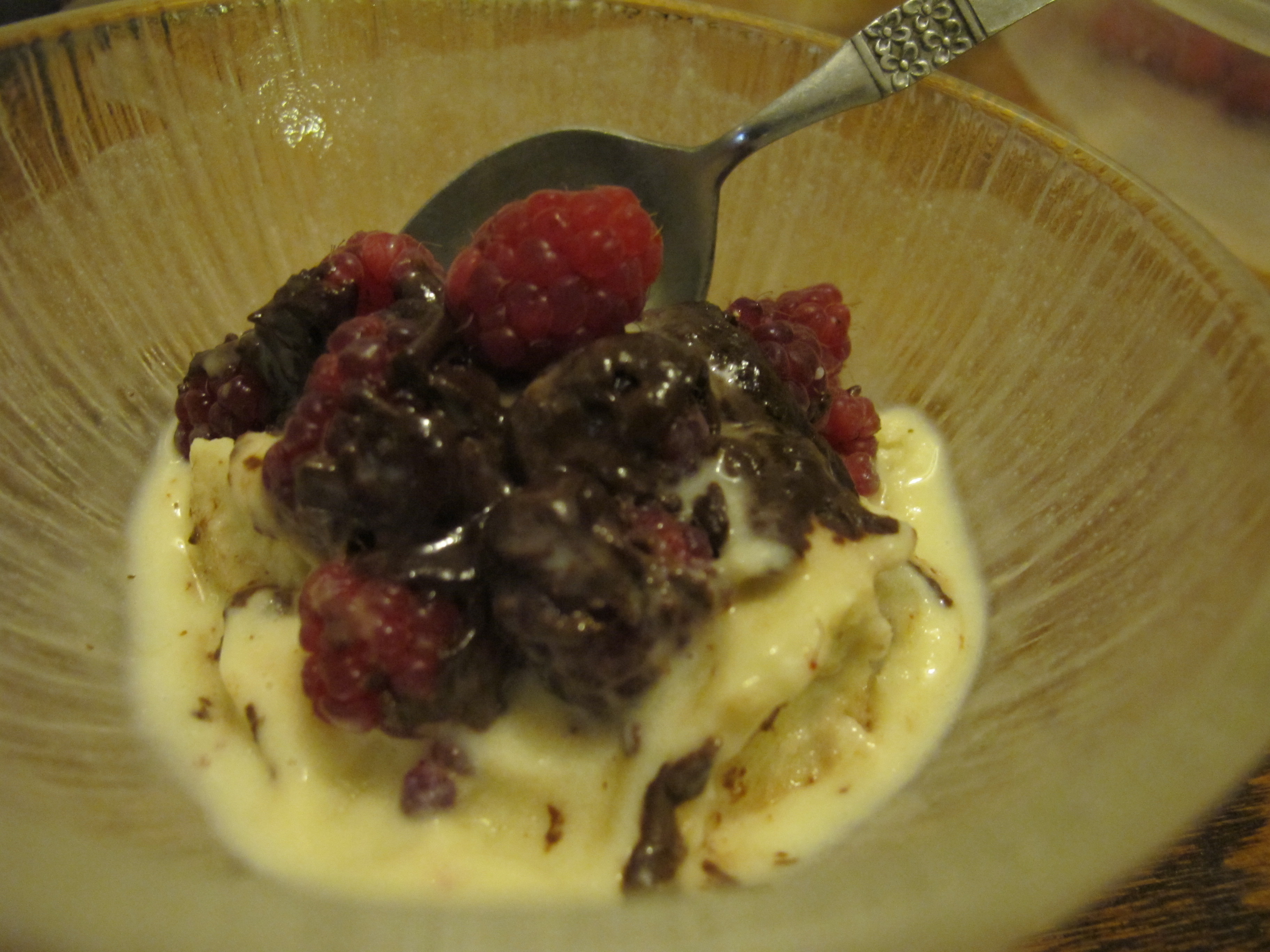
Ice Cream Finally, we get to the important part 😉 About a year ago, we bought a new-to-us Donvier ice cream maker, and other than occasional Ted Drewes (St. Louis’ iconic frozen custard) and gelato, we mostly make our own ice cream.
We modified the basic vanilla ice cream recipe in the Donvier booklet with great success.
Dairy-free Vanilla Ice Cream 3 eggs
7 oz. unsweetened soy milk
7 oz. unsweetened almond milk
1 c. sugar
1 – 14 oz. can of coconut milk (use full fat, NOT low fat)
2 t. vanilla
Beat eggs with soy milk and almond milk in a saucepan. Add the sugar. Cook over medium heat. Stir constantly, gradually adding the coconut milk as the mixture heats. Cook for about 10 minutes, until mixture reaches 170° F. It should start to thicken at this point. Remove from heat. Let cool, then add vanilla. Chill completely before pouring into ice cream maker. Follow manufacturers’ instructions.
This recipe makes about 1 quart of ice cream (which is what our ice cream maker holds). You can easily double it and freeze it in two batches.
His
Note: For best texture/consistency, enjoy some immediately after freezing in the ice cream maker. If the ice cream has been in the freezer, let your serving sit at room temperature for a few minutes, until it just starts getting melty, then stir well and enjoy!
Matthew is in the middle of a 4-week-long dairy-free trial after a he tested positive for dairy allergies a few months ago. For obvious reasons (ahem, gelato and cheese), we put off the elimination diet until after our Italy trip. He also hoped that a trip to the allergist for a skin prick test would shed more light on some other potential food allergens that he might want to test with elimination.
Possible culprits for him, based on the blood test, include apples, hazelnuts (which could indicate ALL tree nuts), and peanuts (which could indicate ALL legumes) — a pretty bleak list when you’re looking at from the point of good sources of vegetarian protein. Granted, he’s been eating these foods for years, so he clearly doesn’t have the acute, anaphylactic shock-type allergies that some people have, but there’s a chance he might feel better, and experience relief from some issues, including asthma, eczema, and some tummy problems, by cutting out certain foods.
The allergist and skin prick test provided little additional information in terms of the food allergies, so he decided to go ahead and start with eliminating dairy, since that was his highest allergy according to the blood test. For a guy who loves ice cream, cheese, and baking with butter, four dairy-free weeks is not something to take lightly.
Come back tomorrow to find out how we’re making it work. Hint: homemade dairy-free ice cream 🙂
Eating an easy-on the-digestive-system diet presents a challenge when you have a pantry full of whole grains and a fridge overflowing with garden produce.
Matthew has been cooking some lovely meals for us, and the most I can do is try a few small bites before returning to my bowl of rice noodles. On Saturday, he brought home a large cooler stuffed with beautiful kale and Swiss chard. We’re struggling to eat all the leftovers and fresh produce with only one of us really partaking. Instead of eating for two, I’m eating for about 1/2 a person.
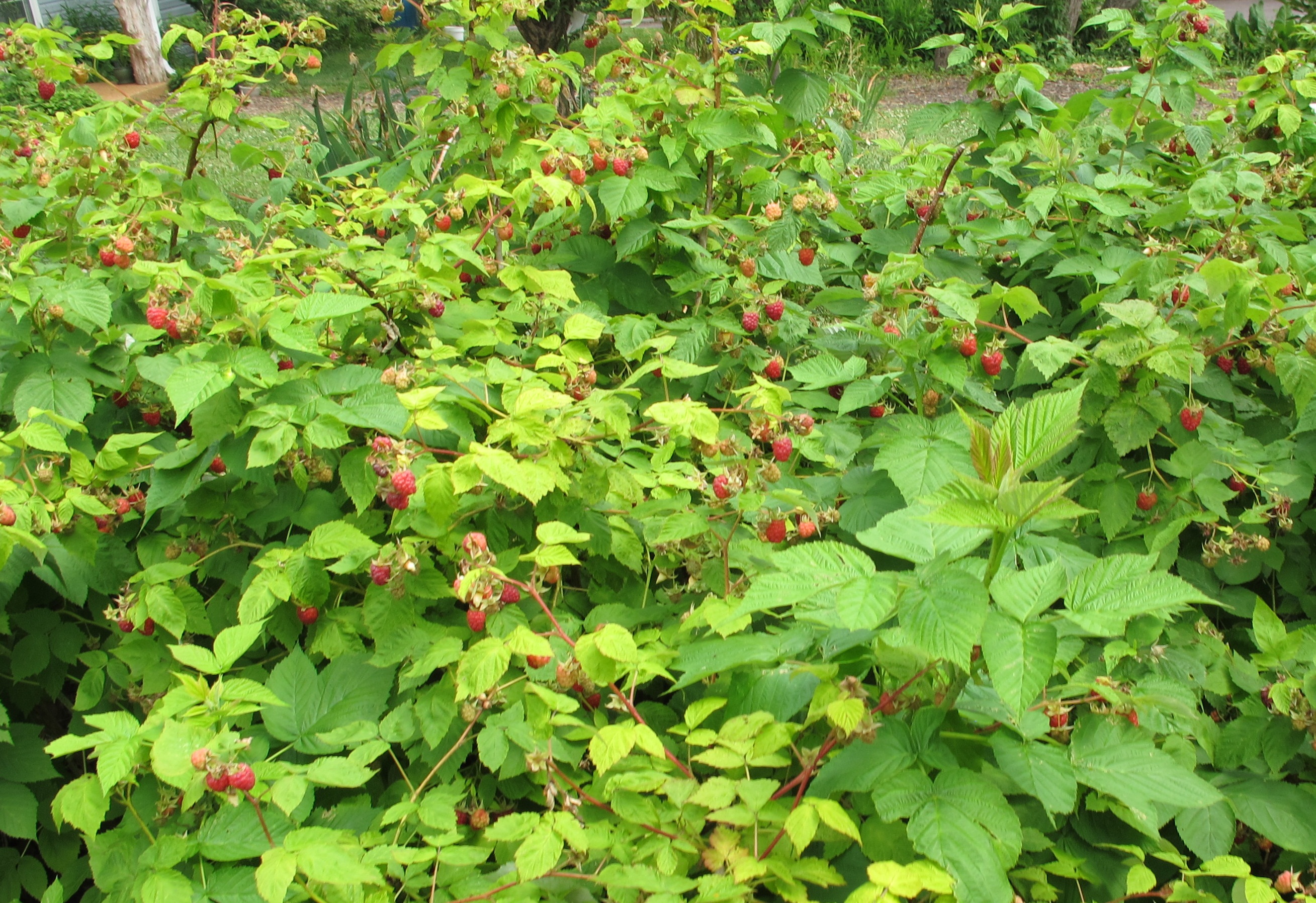
On Sunday, we picked over a gallon of red raspberries, but guess who shouldn’t be eating any? 😦
Given my ongoing GI pains (8 days and counting, woohoo!), I’m trying my best to be good and stick to simple foods, but it’s not easy right now. The other food is tantalizing, but anything more than a bite or two sends my stomach into knots a few hours later.
This too shall pass . . . right? As some consolation, the garden production shows little sign of slowing (in fact, I’ll post more about our crazy garden later this week). There will be more raspberries, more kale and Swiss chard, and more lovely dinners prepared with garden bounty.






 Her Green Life